


Ancient technique. Modern kitchens.
One powerful drop.
Garum is not a sauce you pour. It is a culinary cheat code—an ancient fermented seasoning that delivers depth, balance, and umami in seconds. Used sparingly, it replaces heavy seasoning, amplifies natural flavors, and adds layered savory complexity to everything from vegetables to proteins to sauces.
At WorldClass, we source garum that is as historically grounded as it is relevant to modern cooking—crafted with intention, patience, and respect for tradition.
What Is Garum?
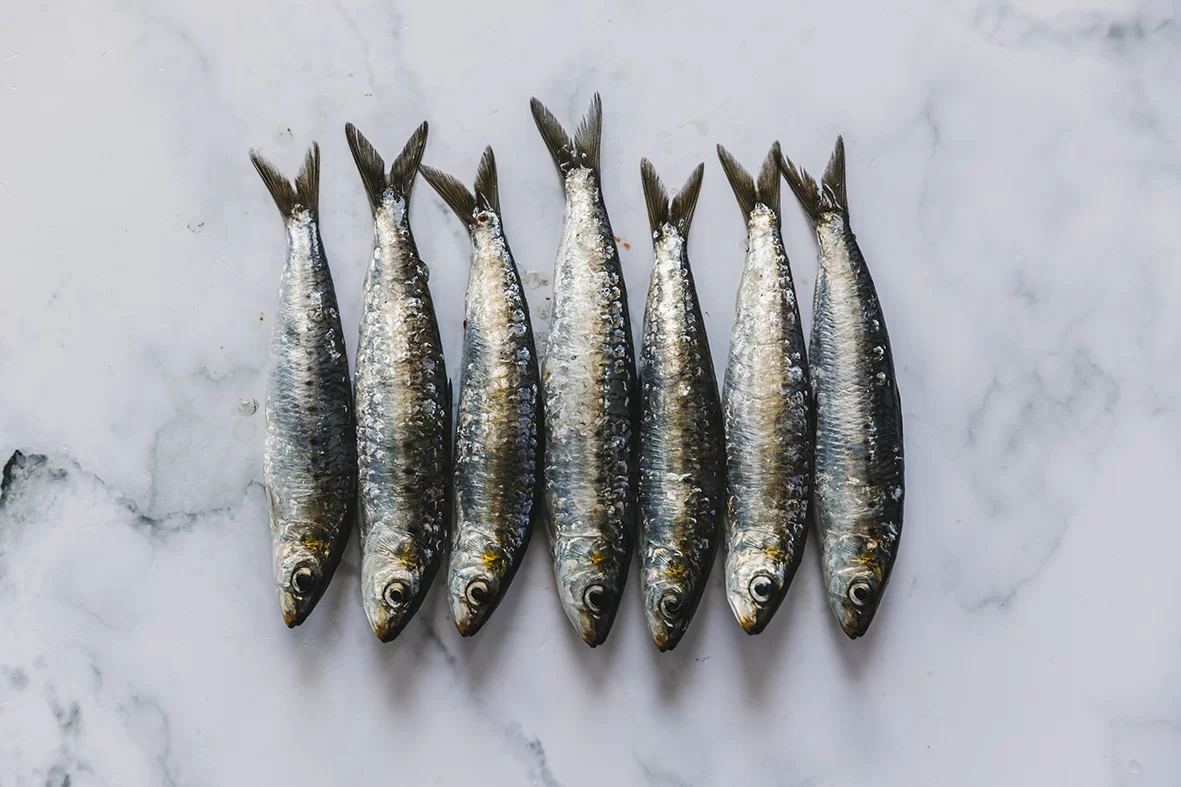
Garum originated in the ancient Mediterranean. While the Greeks knew it, the Romans perfected it—turning garum into the most valuable and widely used condiment of the Roman Empire. Produced through the controlled fermentation of fish, garum became essential for flavoring nearly every dish.
Two thousand years later, this technique has returned—not as a novelty, but as a precision ingredient for chefs and serious cooks.
A Rare Revival: Garum from Tróia, Portugal
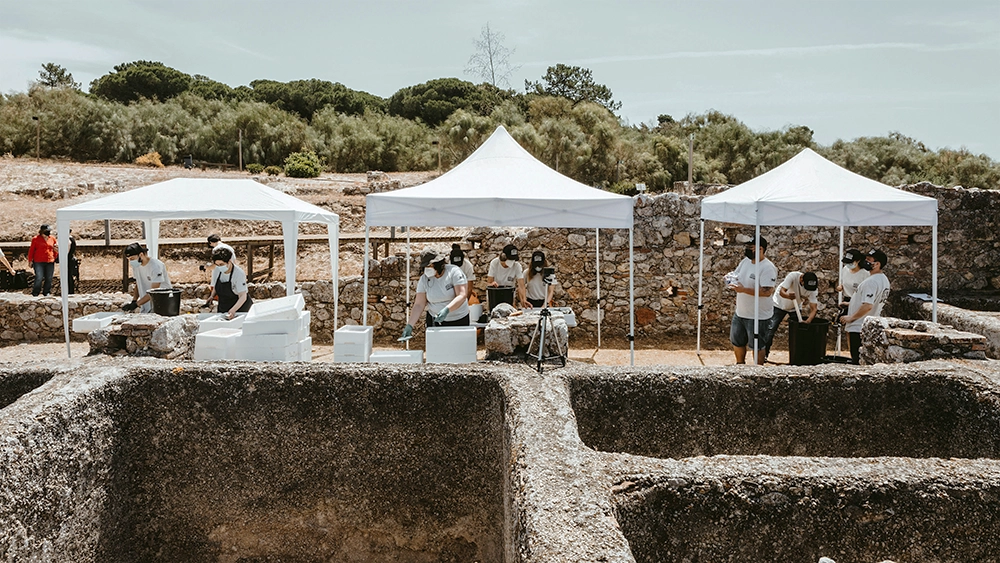
For the first time in over fifteen centuries, garum has been produced on an archaeological site.
At the Roman Ruins of Tróia—once the largest known garum and salsamenta production center in the world—garum is again being made in the original fish-salting tanks. Using fish from Lusitanian waters and research rooted in ancient recipes, these new batches honor the past while meeting modern standards. After more than five months of fermentation, the result is a refined, deeply savory garum with remarkable balance and clarity.
How to Use Garum
Cooking
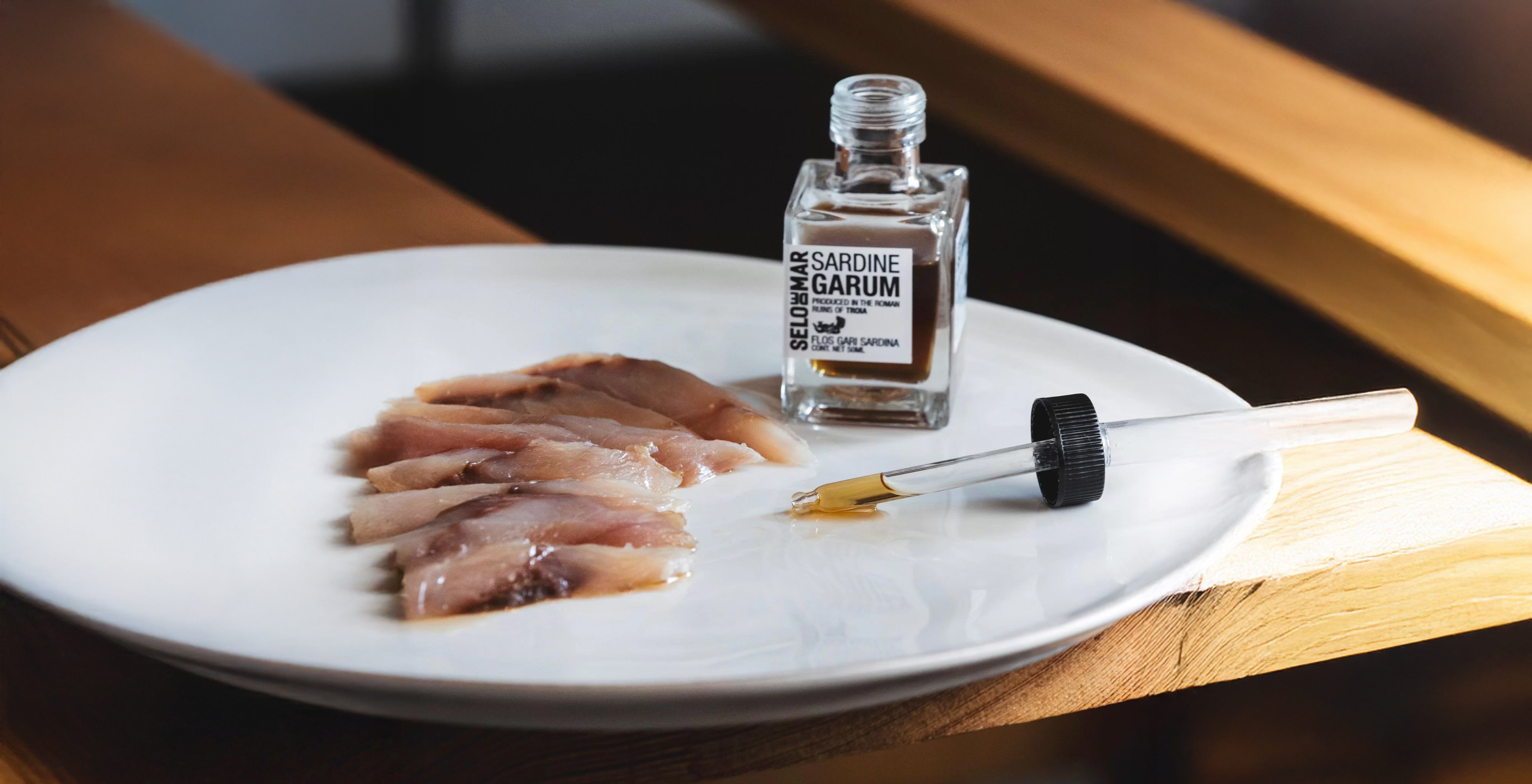
Add garum early in the cooking process, starting with just a few drops.
- Soups, broths, and stews
- Rice, grains, and pasta
- Meat, seafood, and vegetable preparations
It integrates seamlessly, enhancing complexity without announcing itself.
Seasoning
Garum is about balance, not dominance.
- Start with 2–3 drops
- Taste and adjust gradually
- Let it harmonize with existing ingredients
Think of it as a structural seasoning—one that ties flavors together rather than sitting on top.
Marinating
Garum excels in short marinades where depth matters.
- Combine with herbs, spices, and citrus for meat or seafood
- Mix with olive oil or vinegar for vegetables
- Marinate briefly; garum works fast
The result is fuller flavor with minimal intervention.
Choose Your Garum Cheat Code
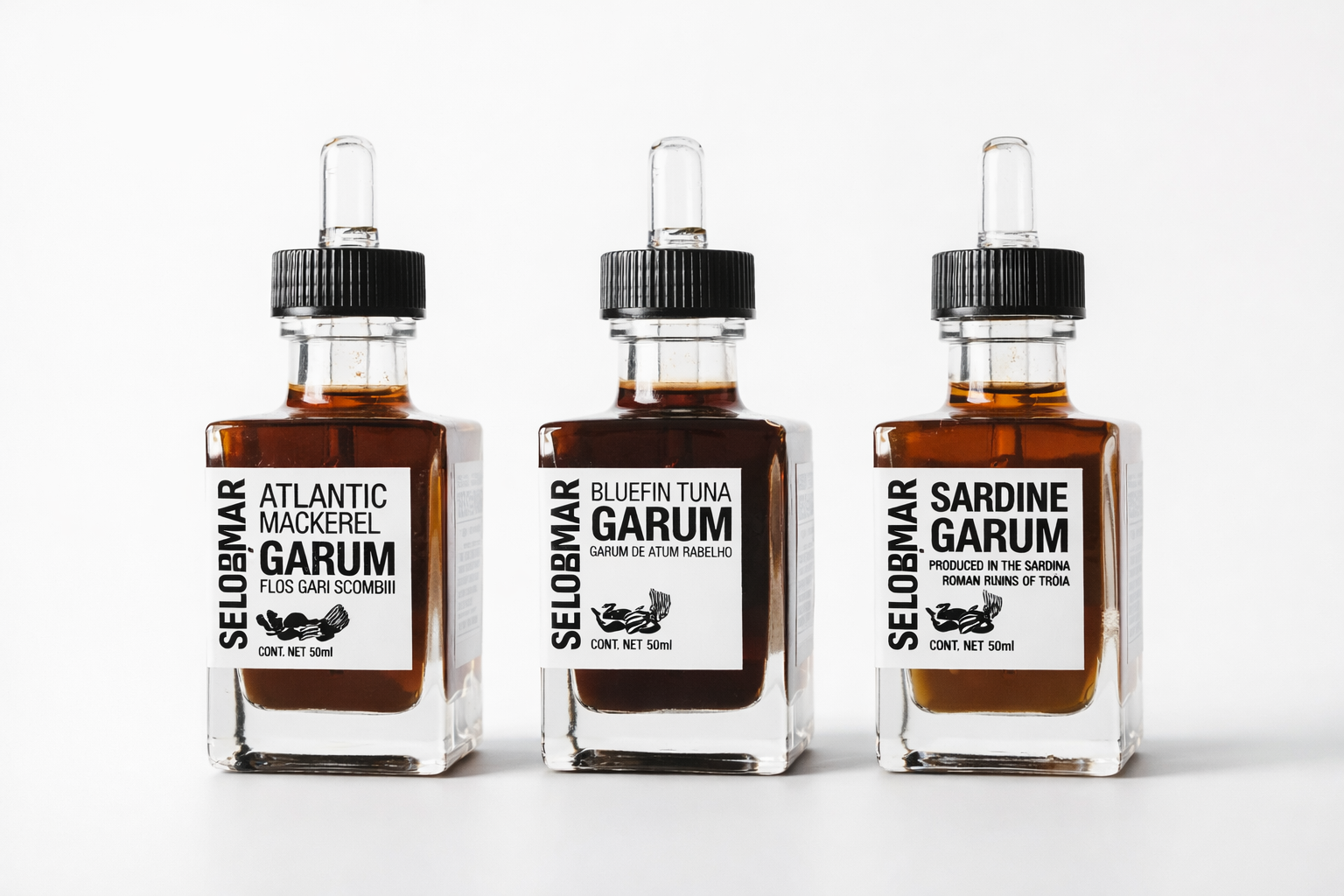
Each garum delivers umami differently. Think of these as precision tools—distinct expressions designed to hit the palate in specific ways, depending on what the dish needs. WorldClass will carry six different types of garum.
Sardine Garum
Hits the palate fast and hard. High-impact umami with sharp salinity and big flavor peaks. Notes of cured sardine and sea breeze. This is a garum that doesn’t whisper.
Pairing: Grilled vegetables, tomatoes, eggs, pasta, and anything that needs a savory punch.
Bluefin Tuna Garum
More complex and refined, with serious depth. Dense, layered umami that’s persistent and long-lasting. Flavors of dried fish, soy, aged meat, and subtle nuttiness that keep building on the finish.
Pairing: Red meat, braises, stews, broths, and rich sauces.
Swordfish Garum
Strong, persistent aroma with a funky edge—think aged cheese and long fermentation. On the palate, it keeps unfolding: green olive, cured notes, deep salinity, and big personality.
Pairing: Roasted meats, mushrooms, and stews.
Pollen Garum
Aromatic and surprising. Floral notes with hints of caramel, honey, and chocolate. Starts sweet and delicate, shifts into bright acidity, then finishes savory with classic garum umami.
Pairing: Vegetables, desserts, soft cheeses, salads, and light sauces.
Mackerel Garum
Clean, smooth, and well-balanced. A gentle evolution on the palate with multiple layers. Toasted almond and hazelnut notes stand out, backed by rounded umami and restrained salinity.
Pairing: Poultry, grains, pasta, root vegetables, and creamy dishes.
Amberjack Garum
Fresh, vegetal aroma with clear seaweed notes. On the palate, iodine-driven flavors reflect its ocean habitat—clean, saline, and distinctly maritime.
Pairing: Seafood, shellfish, rice dishes, broths, and minimalist plates.
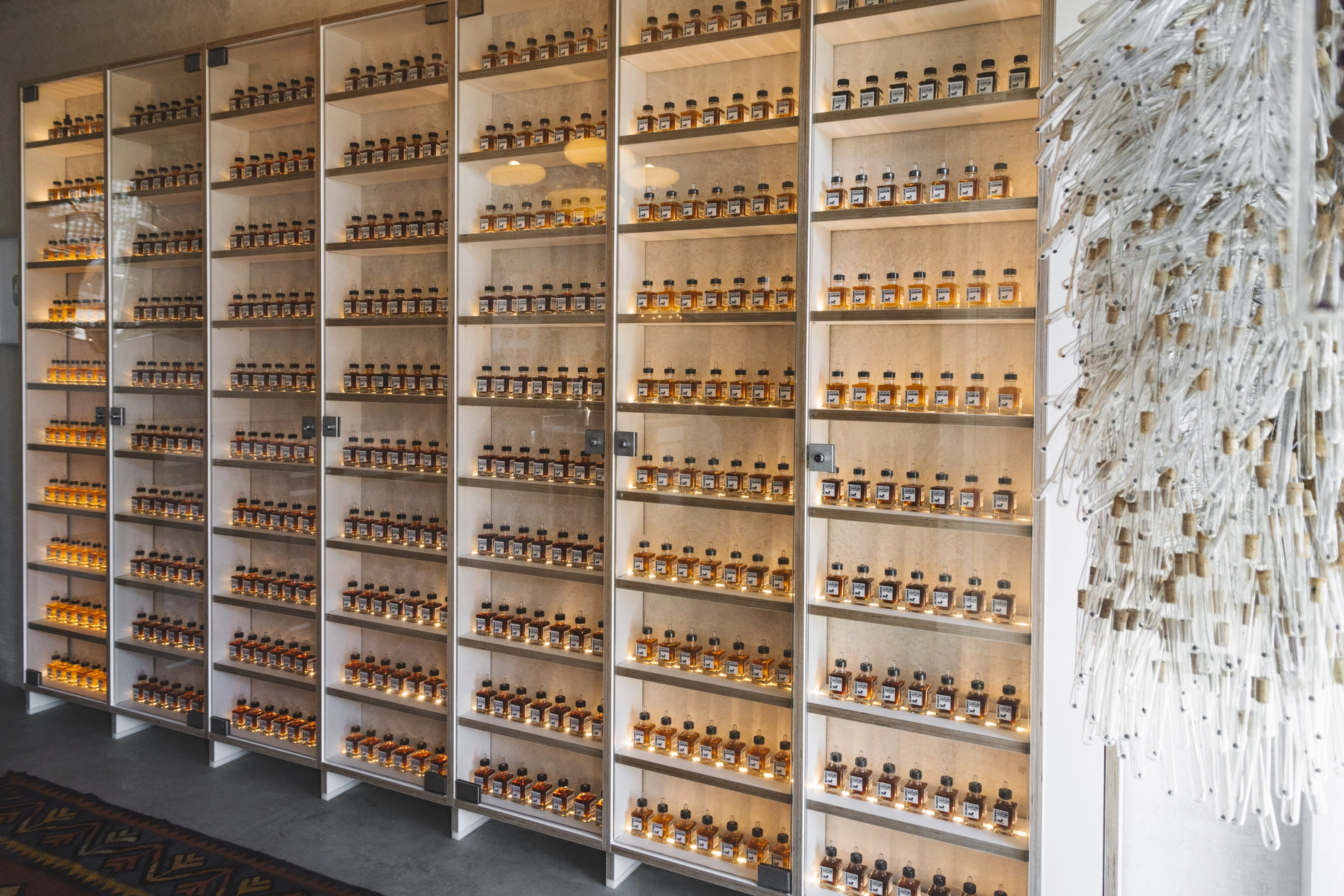
The Producer: SELO DE MAR
Portugal’s culinary identity has long been shaped by two elemental forces: salt and sun. For centuries, these resources defined how fish was preserved along the coast—techniques born of necessity, refined by time.
SELO DE MAR is a contemporary project dedicated to studying, reviving, and reimagining those preservation traditions. Rooted in rigorous research and deep respect for ancestral knowledge, the project explores how historic methods can evolve through modern science, sustainability, and craftsmanship.
All SELO DE MAR products are made exclusively with fish from Lusitanian waters, primarily sourced from the Atlantic off the coast of Setúbal. The salt used in production comes solely from the Sado estuary, reinforcing a closed-loop relationship between place, product, and process.
More than a producer, SELO DE MAR operates as a living research hub—focused on fermentation, whole-product utilization, and the development of distinctive specialties such as garum, bottarga, fish pastrami, and charcuterie. Every batch is an experiment informed by seasonality, history, and scientific precision.
The project is led by Chef Pedro Almeida, whose career includes heading the first Michelin-starred kitchen in Portugal’s Alentejo region. Now based in Setúbal, he guides SELO DE MAR’s dual mission: crafting singular gastronomic experiences while advancing the research and production of fish-based preserved foods.
At SELO DE MAR, Portugal’s maritime legacy is not preserved behind glass—it is actively practiced, questioned, and pushed forward, resulting in products that honor the past while opening new horizons for the future.
Ancient Technique. Modern Control.
Garum was once unavoidable in Roman kitchens. Today, it’s optional — but powerful.
With multiple species-driven expressions, WorldClass garum lets you choose how umami shows up on the plate. One technique. Multiple cheat codes.
Garum is coming soon to WorldClass. Contact us if you are interested in using Garum in your kitchen.
.webp)


