
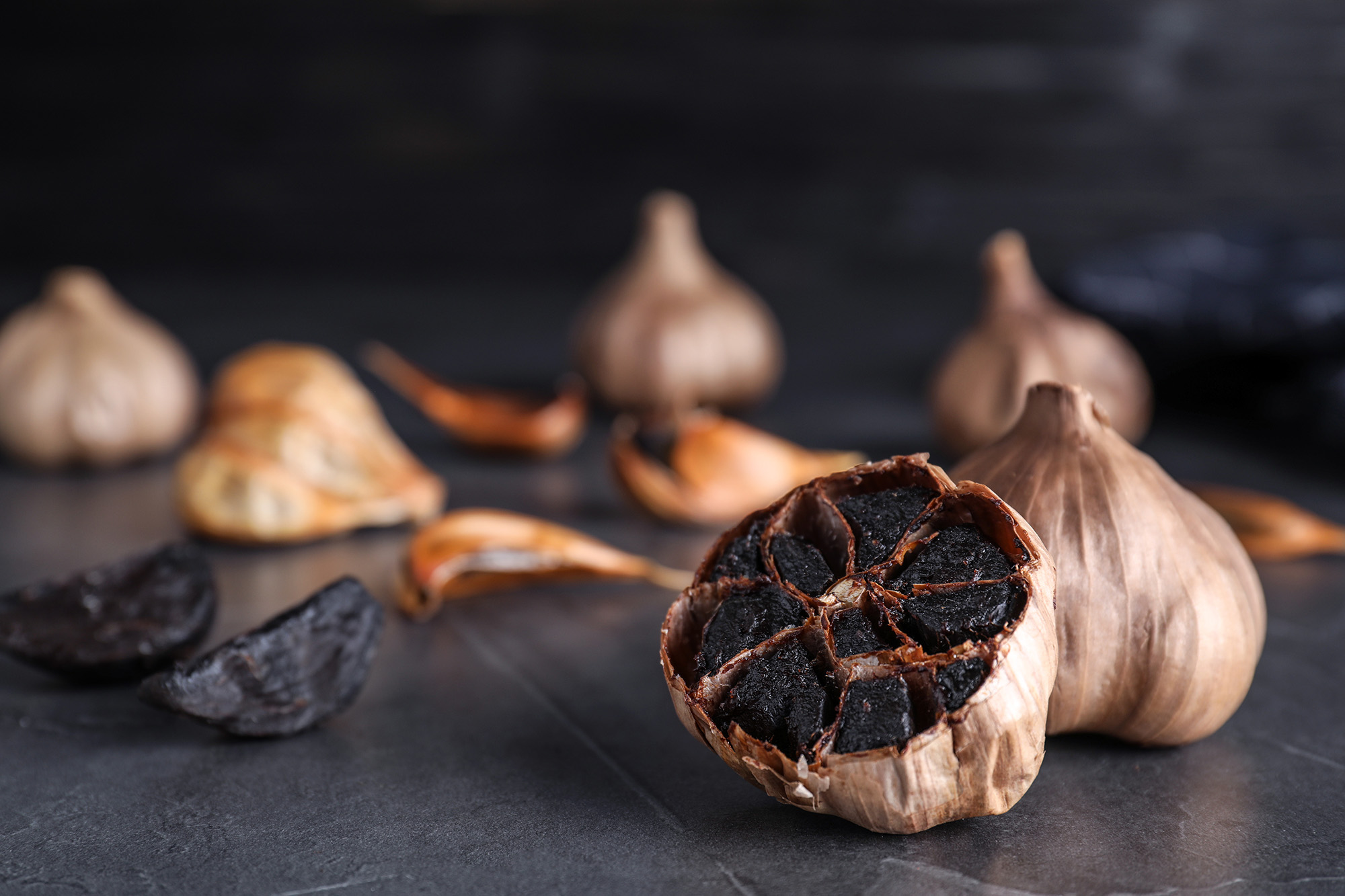


You’ve probably seen it on menus or maybe even spotted a jar of inky-black cloves at a specialty store. But what exactly is black garlic?
First, let's clear up a common misconception. Black garlic isn't some exotic variety you can grow. It’s not fermented, and it’s certainly not rotten. It’s simply regular garlic transformed through a slow, meticulous process of low heat and high humidity.
From Pungent Bulb to Umami Gem
Think of it like aging a fine wine or slow-roasting a prime cut. You start with a familiar ingredient and, with time and patience, draw out entirely new depths of flavor. The magic behind this transformation is a natural process called the Maillard reaction—the very same chemical reaction that gives seared steak its savory crust and toasted bread its comforting aroma.
For weeks, whole bulbs of garlic are held in a controlled environment. This gentle, consistent heat breaks down the sharp, pungent allicin compound—the source of raw garlic's signature bite. As the allicin fades, a completely new set of flavors begins to emerge, turning the cloves soft, sticky, and profoundly complex.
A Complete Transformation
The journey from a sharp, white clove to a soft, black treasure is a total overhaul. Every aspect of the garlic—flavor, aroma, texture, and color—is fundamentally changed.
Here's a quick look at the key differences:
- Flavor: The aggressive, spicy kick vanishes. In its place, you get a mellow sweetness with notes of molasses, balsamic vinegar, and tamarind.
- Texture: The firm, crunchy texture becomes soft and spreadable, almost like a dense fruit paste or a soft date.
- Aroma: The sharp, sulfurous smell is gone, replaced by a rich, earthy, and almost fruity fragrance.
- Color: The cloves turn a deep, uniform jet-black as melanoidins form during the Maillard reaction.
To really understand the difference, a side-by-side comparison tells the whole story.
Raw Garlic vs Black Garlic at a Glance
This table breaks down the essential distinctions between the two, highlighting just how different they are in the kitchen.
AttributeRaw GarlicBlack GarlicFlavor ProfileSharp, pungent, spicy, sulfurousSweet, savory, umami-rich, notes of balsamic, molasses, and pruneTextureFirm, crisp, crunchySoft, sticky, spreadable, jelly-likeAromaPungent, sharp, unmistakable garlic smellMild, earthy, sweet, slightly fruityCommon UsesAromatic base, sautéing, roasting, vinaigrettesFinishing ingredient, sauces, purées, rubs, vinaigrettes, marinadesCulinary RolePungent, forward flavorAdds depth, background complexity, and savory sweetness
As you can see, they're worlds apart. One is a sharp, aggressive aromatic; the other is a subtle, complex flavor enhancer.
The most important thing to grasp is that black garlic isn’t a substitute for raw garlic—it’s a distinct ingredient with its own culinary purpose. Its sweet, umami-rich character adds depth and complexity, acting more like a background flavor enhancer than a pungent aromatic.
Chefs love it because it delivers an incredible layer of umami—that savory "fifth taste"—without overwhelming a dish. Understanding this distinction is the first step to unlocking its full potential in your kitchen.
The Science Behind Making Black Garlic
Turning a sharp, pungent garlic bulb into a soft, sweet, jet-black clove is a bit of culinary alchemy. But it's not magic. It's a slow, controlled journey that hinges on the perfect balance of heat, humidity, and time. Understanding the science here is key to appreciating why black garlic develops such a uniquely complex flavor and texture.
At its core, black garlic’s transformation is driven by two key chemical reactions working in tandem. Many people assume it’s fermented, but that’s a common misconception. There’s no microbial activity here like you’d find in kimchi or yogurt. Instead, the change comes from the Maillard reaction and enzymatic breakdown.
The Maillard reaction is a familiar friend to any chef who’s seared a steak or toasted bread. It’s the chemical dance between amino acids and sugars under heat, creating those deep brown colors and savory, complex flavors we crave.
Creating the Perfect Conditions
To kick off this slow-motion magic, whole garlic bulbs are placed in a meticulously controlled environment. The conditions are exacting and must be held steady for weeks on end.
- Low Heat: The temperature is held between 140–190°F (60–87°C). It’s just warm enough to get the chemical reactions going without actually cooking or burning the garlic.
- High Humidity: A steamy 80–90% humidity is maintained. This is crucial because it stops the garlic from just drying out, allowing the cloves to soften and transform from the inside.
This low-and-slow process gives the garlic’s natural enzymes time to break down complex sugars and sulfur compounds. Most importantly, it neutralizes allicin—the volatile compound that gives raw garlic its sharp bite and pungent smell. As the allicin fades, the Maillard reaction takes over, creating hundreds of new flavor compounds called melanoidins that give black garlic its signature dark color and rich taste.
The timeline below shows just how a standard raw garlic bulb evolves over weeks into the culinary gem we know.
As you can see, this is a gradual, multi-week transformation, not an overnight change. It’s a process that demands patience to develop those one-of-a-kind properties.
The Role of Terroir
Just like the origin of grapes defines a wine, the terroir of the raw garlic has a profound impact on the final product. The soil, the climate, and the specific garlic varietal all contribute to its inherent sugar and amino acid content.
A garlic bulb grown in the mineral-rich soils of Mendoza, for example, will have a different starting profile than one grown elsewhere. This unique terroir contributes to a final black garlic with exceptional depth, sweetness, and a more nuanced umami character.
This means not all black garlic is created equal. The origin of the raw ingredient is everything. It sets the baseline from which the Maillard reaction builds its complex symphony of flavors. Start with a high-quality product, and you’ll end up with an exceptional result.
This careful aging process doesn't just change the taste; it also concentrates beneficial compounds like S-allyl cysteine and polyphenols, which have been linked to improved heart health and immune function. You can learn more about these black garlic market insights and benefits here.
Tracking the Transformation
The changes aren't just chemical; they're visual and textural. Week by week, you can watch the garlic evolve:
- Week 1: The cloves start to soften just slightly. The aroma begins to shift from sharp and aggressive to subtly sweet.
- Week 2: The color deepens from white to a light tan. The texture becomes more pliable, and a distinct caramel-like scent emerges.
- Week 3-4: The cloves turn a rich, dark brown, eventually hitting that uniform, inky black. Now the texture is soft and sticky, almost like a date or fig, and the flavor is fully developed—a perfect balance of sweetness and savory depth.
Decoding the Flavor Profile of Black Garlic
To really get what black garlic is, you have to look past its color and dive into its extraordinary flavor. That slow, controlled aging process does more than just turn it black; it completely rewrites the garlic's sensory DNA. The sharp, aggressive bite of a raw clove isn't just toned down—it's gone entirely.
What emerges is a symphony of deep, mellow, and complex notes. Think of the tangy sweetness of a great balsamic glaze, the rich undertones of dark caramel or molasses, and the fruity depth of tamarind or dates. It’s a flavor that feels both familiar and brand new all at once.
This transformation is so complete that black garlic acts as an entirely different ingredient in the kitchen. It’s no longer just a pungent aromatic for building a base layer of flavor; it's a nuanced component that adds incredible depth and sophistication.
The Power of Umami and Sweetness
At the heart of black garlic’s appeal is its profound umami quality. Umami—that savory, meaty, fifth taste you find in soy sauce, aged cheeses, and mushrooms—is front and center here. During aging, proteins in the garlic break down into amino acids, concentrating glutamates and creating an intense umami punch.
This savory depth is perfectly balanced by a natural, gentle sweetness. Over weeks, the garlic's own sugars slowly caramelize, creating a rich sweetness without the cloying notes of refined sugar. It’s this beautiful dance between sweet and savory that makes black garlic so versatile and compelling.
The flavor isn't a single note but a chord, blending multiple layers of taste that evolve on the palate. Its unique ability to add savory depth makes it a powerful tool for enhancing dishes without adding excess salt or fat.
Thinking like a chef means knowing how to use these elements to build better dishes. For a deeper look into this philosophy, understanding how to balance salt, fat, acid, and heat is essential for elevating great ingredients like black garlic.
A Texture Unlike Any Other
The flavor is only half the story. The texture of black garlic is just as remarkable and key to how you use it. The once-firm, crisp cloves become incredibly soft, sticky, and yielding.
The final texture can be best described as:
- Spreadable: It has the consistency of a thick fruit paste or soft pâté, making it easy to mash and blend.
- Jelly-like: The cloves are tender and hold their shape but can be squashed with the gentlest pressure.
- Slightly Chewy: There’s a subtle, pleasant chewiness that adds a wonderful mouthfeel when sliced and used as a garnish.
This unique texture means you can use it in ways raw garlic never could. It dissolves seamlessly into warm sauces, whips into butters and aiolis, or spreads right onto crusty bread. Its ability to blend so effortlessly is a major reason it's become such a prized ingredient in professional kitchens. It adds flavor without disrupting the silky texture of a purée or a delicate vinaigrette.
How to Use Black garlic in Your Kitchen
So, you understand the backstory. Now, let’s get this ingredient working in your kitchen. Black garlic’s soft, almost spreadable texture and deep, sweet-savory punch make it incredibly versatile. It can fade into the background to lift other flavors or step forward as the star.
But first, a crucial point: do not treat it like fresh garlic.
Chopping it up and frying it in hot oil is the fastest way to ruin it. That kind of direct, harsh heat obliterates its delicate sugars and complex notes, leaving you with nothing but bitter, burnt flecks. Think of it more as a finishing touch or a gentle infusion, something that melds into a dish to add layers of umami and sweetness.
The goal is to preserve its character, not scorch it.
Foundational Techniques for Black Garlic
Getting started is simple. Black garlic's soft texture lends itself to a few primary forms, and mastering these opens up a world of possibilities for sauces, marinades, and garnishes.
These four methods are the building blocks for countless recipes:
- Mashed or Puréed: Just press a few cloves with the back of a fork to make a smooth paste. This is perfect for dissolving into liquids like broths, sauces, or vinaigrettes to distribute its flavor evenly.
- Sliced Thinly: Use a sharp blade to create paper-thin slices. They make a striking and intensely flavorful garnish for everything from seared scallops to creamy risottos.
- Infused: Gently warm whole cloves in oil or butter over very low heat. This technique coaxes out the deep, savory notes, creating an infused fat you can use for cooking or as a finishing drizzle.
- Whole Cloves: The soft, sticky cloves can be used whole in slow-cooked dishes or roasted alongside meats and vegetables, where they’ll break down and release their flavor gradually.
Quick Technique: Black Garlic Compound ButterBring a stick of high-quality unsalted butter to room temperature. Mash 4-5 cloves of black garlic into a paste and whip it into the softened butter. Add a pinch of sea salt and freshly chopped parsley. Roll it into a log using parchment paper and chill until firm. A slice melted over a perfectly cooked steak is sublime.
Powerful Flavor Pairings
Black garlic’s unique profile creates a beautiful synergy with a huge range of ingredients. It has a knack for amplifying existing flavors while adding its own signature depth. Knowing what to pair it with is key.
Experimentation is half the fun, but here are some classic pairings to get you started:
Savory Companions
- Red Meats: It perfectly complements the richness of beef, lamb, and venison. Use it in a rub, a pan sauce, or the compound butter described above.
- Mushrooms: The earthy umami in mushrooms is a natural match. Sauté them together or blend them into a creamy soup.
- Aged Cheeses: Pair it with hard, nutty cheeses like Parmesan, Manchego, or aged cheddar on a cheese board for an unforgettable sweet-and-savory contrast.
Unexpected Harmony
- Seafood: Its subtle sweetness works wonders with delicate scallops, shrimp, and rich fish like black cod.
- Dark Chocolate: This might sound strange, but the deep, molasses-like notes of black garlic add an incredible savory dimension to dark chocolate desserts, like brownies or a rich mole sauce.
For more ideas on pairing and cooking with premium ingredients, you can explore a wide variety of chef-developed recipes perfect for your next menu.
The best way to learn is by doing. Start small—add a little to a familiar dish and taste the difference. As you get more comfortable, you can start pushing the boundaries and unlocking the full creative potential of this remarkable ingredient.
Sourcing and Identifying Quality Black Garlic
Not long ago, black garlic was a secret handshake among high-end chefs. Now, it’s everywhere—specialty food stores, farmers' markets, and online shops. The secret is definitely out.
This isn’t just hype. The global market for black garlic hit about USD 120 million in 2023 and is on track to double to USD 247 million by 2033. You can dig into the numbers on this market growth report from Spherical Insights. While that’s great news for availability, it also means you need to know what you’re looking for. More product means more variation in quality.
What to Look For in Premium Black Garlic
Not all black garlic is the same. Far from it. The final product is a direct reflection of two things: the quality of the raw garlic and the precision of the aging process. When you’re sourcing, trust your senses.
Here’s what separates the good from the great:
- Uniform, Deep Black Color: The cloves should be a consistent, inky black all the way through. No brown or tan spots. That solid color tells you the Maillard reaction was complete and even.
- Soft, Pliable Texture: A great clove feels like a soft date or fig—tender enough to mash with a fork, but never wet or mushy. It should be moist and a little sticky.
- Sweet, Savory Aroma: The smell is your best clue. It should be complex and rich, with notes of molasses, balsamic, and a deep umami character. If you get any sour, bitter, or acrid smells, the aging process went wrong. Steer clear.
A truly exceptional product starts with exceptional raw ingredients. Sourcing from regions known for their pristine terroir, like the Mendoza-grown black garlic available from WorldClass, ensures a baseline of quality that translates into a more complex and balanced final flavor profile.
Choosing the Right Form for Your Kitchen
Beyond whole bulbs, black garlic comes in several forms designed to make a chef's life easier. Each format has its strengths, so picking the right one is about efficiency and application.
Common Forms of Black Garlic
FormBest ForCulinary Application ExampleWhole BulbsVersatility & GarnishesSlicing thinly to garnish a seared scallop or charcuterie board.Peeled ClovesHigh-Volume UseMashing into sauces, marinades, or compound butters quickly.Purée or PasteSmooth TexturesBlending seamlessly into vinaigrettes, aiolis, or creamy soups.PowderDry Rubs & SeasoningIncorporating into spice blends for meats or dusting over popcorn.
In a busy kitchen, grabbing peeled cloves or a purée can be a huge time-saver. You get that same deep, umami-rich flavor with zero prep. By learning to spot top-tier black garlic and choosing the right format for the job, you can make smarter buys and bring a truly remarkable ingredient to your dishes.
More Than Just Flavor: The Health Side of Black Garlic
While chefs fall for black garlic's profound flavor, its impressive nutritional story is what often gets the first conversation started. The same slow, gentle transformation that creates its unique taste also fundamentally re-engineers its chemical makeup.
The process supercharges certain compounds. Most notably, black garlic is loaded with S-allyl cysteine (SAC), a stable, water-soluble antioxidant. Unlike the fiery allicin in fresh garlic, SAC is more easily absorbed by the body, making its antioxidant properties far more available and effective.
Clearing Up the Myths
Because black garlic is so unique, a few myths have followed it into the kitchen. Let's set the record straight.
- Myth 1: It's a special type of garlic. Black garlic isn't grown; it's made. It begins as regular garlic that undergoes a very specific, controlled aging process.
- Myth 2: It's fermented or rotted. This is the biggest one. The change isn't from fermentation (like kimchi) or decay. It’s the Maillard reaction—the same gentle chemical browning that gives a steak its crust or bread its golden color—driven by low heat and high humidity.
The bottom line is that black garlic is a product of culinary science. It’s a controlled transformation, not a different plant or a sign of spoilage. Understanding this reinforces why it's a premium, crafted ingredient.
A Serious Antioxidant Boost
The most compelling health attribute of black garlic is its antioxidant power. During that long, slow heat treatment, its antioxidant levels skyrocket.
In fact, some studies show black garlic can pack up to 10 times more antioxidants than raw garlic, which explains its growing popularity in health supplements and functional foods. You can get a sense of its rise by exploring the growing black garlic market here.
This concentration of antioxidants, led by the highly stable SAC, helps the body fight oxidative stress. While its flavor will always be its primary role in the kitchen, this powerful nutritional profile is a fantastic bonus. It adds another layer of value, making it an ingredient that delivers on both taste and function.
Common Questions About Black Garlic
As chefs start working with black garlic, a few questions always pop up. Here are the quick, straight answers to help you use this ingredient with confidence.
Does Black Garlic Taste Like Regular Garlic?
Not even close. The slow-aging process completely transforms its aggressive bite. That sharp, pungent heat of raw garlic is gone, replaced by a deep, mellow sweetness and a powerful savory backbone.
Think rich umami notes of balsamic vinegar, molasses, and even a hint of tamarind. It’s a complex, gentle flavor that makes black garlic its own unique ingredient, not just a substitute for the raw stuff.
Is It Really a Fermented Food?
Although everyone calls it "fermented," that's technically not what's happening. The magic behind black garlic isn’t the microbial action you find in kimchi or yogurt.
Instead, the transformation is pure food science, driven by two key processes:
- The Maillard Reaction: A chemical reaction between amino acids and sugars that creates that deep, dark color and incredible savory flavor.
- Enzymatic Breakdown: Natural enzymes in the garlic itself break down the harsh, pungent compounds, creating its signature soft texture and mellow sweetness.
So, while "fermented" is the common term, the process is all about controlled heat and time.
It's better to think of it as a meticulously controlled aging process, like slow-roasting coffee or curing fine charcuterie. You're not adding cultures; you're drawing out entirely new flavors from within.
Can I Make It Myself?
Technically, yes. People try to make it at home in rice cookers or proofers, but it’s a frustrating and difficult process. Nailing the precise, stable temperature and humidity needed for a good result is incredibly hard.
The process requires holding those conditions steady for weeks on end. It also creates a powerful, pervasive garlic smell that will take over your entire kitchen—and maybe your whole house. For consistency, safety, and a much better product, buying from a professional supplier is the only way to go.
What's the Right Way to Store Black Garlic?
Proper storage is simple and crucial for preserving its unique flavor and texture. Just keep it in a cool, dark place like a pantry, away from direct sunlight and heat. An airtight container is your best bet to lock in its moisture and aroma.
Refrigeration isn't necessary, but it can extend its shelf life, especially after you've opened the package. Stored correctly, whole bulbs of black garlic will last for several months, ensuring you always have this umami bomb ready to go.
At WorldClass, we source our black garlic from the pristine terroir of Mendoza, ensuring every clove delivers unparalleled depth and sweetness. Explore our curated selection and bring a world of flavor to your kitchen.
Discover our premium black garlic today.


.png)


