
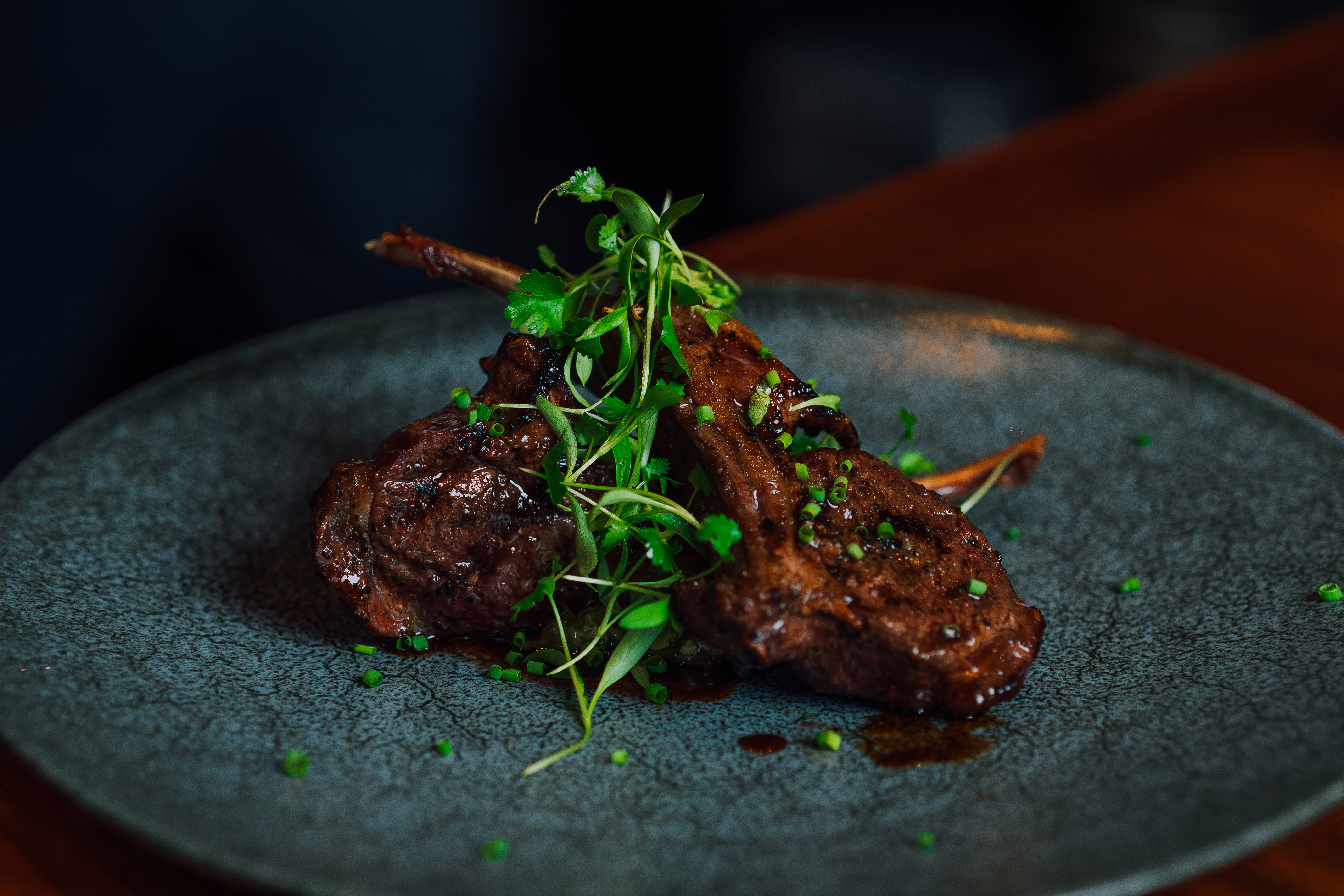


More than just a cut of meat, the lamb chop is a statement piece. It’s a canvas for culinary creativity and a pillar of fine dining menus everywhere. Its power lies in that perfect balance of tender meat and a rich, distinctive flavor that cuts through the noise of other proteins.
For any professional kitchen, mastering the lamb chop isn’t just about cooking; it’s about mastering a high-value item that keeps guests happy and the bottom line healthy.
Why the Lamb Chop Is a Culinary Centerpiece
The lamb chop’s enduring spot on menus worldwide is no accident. It’s got a unique combination of qualities that make it a chef’s favorite. Its compact size is perfect for precise portion control and elegant plating, while its natural tenderness responds beautifully to high-heat cooking.
This guide is built for chefs who want to move beyond the basics. We’re going to dig into the core concepts that turn a good lamb dish into an unforgettable one.
The Foundations of Excellence
Getting a truly exceptional lamb chop on the plate means understanding its entire journey, from pasture to pan. It's a process built on a few key pillars, and mastering them gives a chef total control over the final product.
Here’s what we’ll cover:
- Understanding the Cuts: We’ll break down the differences between loin, rib, and shoulder chops so you can pick the right cut for the right job.
- Sourcing and Quality: We’ll look at how breed, diet, and environment shape the final product, with a special focus on premium sources like Patagonian lamb.
- Perfecting Technique: This is where we master cooking methods, temperature control, and proper resting to guarantee a succulent chop every time.
- Crafting the Presentation: We’ll get into plating and pairing strategies that elevate the dining experience and justify a premium price.
A Growing Market for Premium Lamb
The demand for high-quality, ethically raised meat isn’t a passing trend—it's a major market shift. Diners want to know the story behind their food, and they’re prioritizing sustainability and traceability. The global appetite for lamb proves it, with production expected to hit 10.7 million metric tons by 2026.
The organic lamb market tells an even clearer story. It’s currently valued at USD 4.4 billion and is projected to surge to USD 7.4 billion by 2035, growing at a steady clip of 5.5% CAGR.
This is a clear opportunity. Sourcing from regions known for their pristine environments, like Patagonia, allows kitchens to meet this demand head-on. These products deliver the superior flavor and ethical story that discerning diners are looking for, turning a simple lamb chop into a true menu centerpiece. You can dig deeper into the global organic lamb market insights here.
Decoding the Different Lamb Chop Cuts
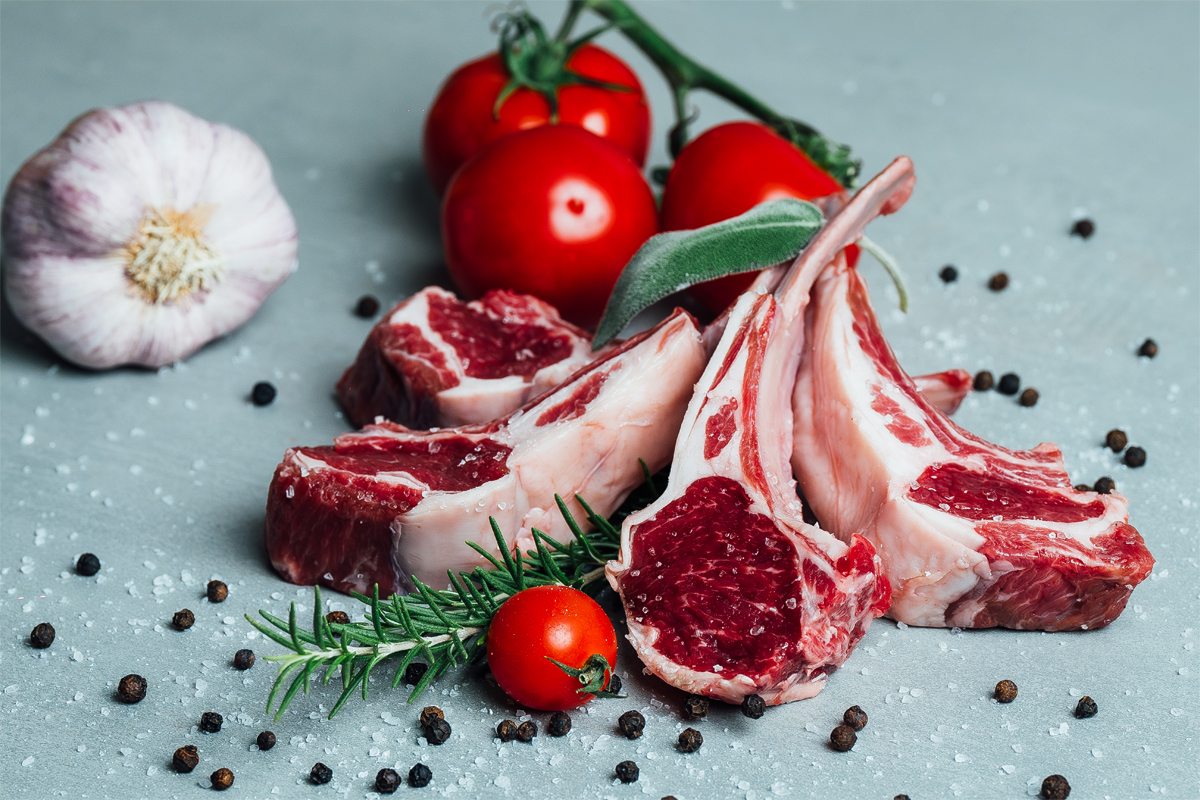
To a chef, a lamb chop isn't just a lamb chop. Each cut tells a story about where it came from on the animal, and that story dictates its flavor, its texture, and exactly how it should be cooked. Thinking they're all interchangeable is a rookie mistake that puts a ceiling on what you can create.
The real craft lies in knowing the difference. A robust loin chop and a delicate rib chop behave in completely different ways on the grill or in the pan. Understanding why gives a chef total control over the finished plate.
The Robust Loin Chop
Think of the loin chop as lamb's answer to a T-bone or porterhouse steak. It's a powerhouse cut, packing both a piece of the loin and the tenderloin, separated by that classic T-shaped bone. This two-in-one texture makes it a grill master's dream.
The larger loin section delivers a satisfying chew and big, rich flavor, while the smaller tenderloin on the other side is buttery soft. This structure makes the loin chop incredibly versatile—it stands up to bold marinades and loves the high, dry heat that builds a perfect crust. It’s the ideal centerpiece for a rustic, yet refined entrée.
The Elegant Rib Chop
By contrast, the rib chop is pure elegance, more like a bone-in filet mignon. Cut from the rack, this is the one chefs prize for its supreme tenderness and a milder, more delicate flavor. You get a single rib bone with a perfect eye of loin meat attached.
The beauty of a great rib chop is in the marbling, which melts during cooking and bastes the meat from the inside out. The result is always juicy and succulent. This is a cut made for speed; quick, high-heat cooking is all it needs to preserve that incredible texture.
The rib chop is a canvas for subtle flavors, not a wall to be painted over. Simple is best: thyme, rosemary, garlic, and good butter are all it takes to let the quality of the meat speak for itself.
The Art of the Frenched Chop
You'll often find rib chops with the bone expertly cleaned—a technique called "Frenching." This isn't just for looks; it’s a deliberate butchery choice that adds serious value to the plate. The process involves scraping all meat and fat from the end of the bone, creating a clean, refined "handle."
This extra work pays off in a few key ways:
- Serious Plate Appeal: A Frenched rack has instant visual impact. It signals to the guest that they're getting a premium, thoughtfully prepared dish.
- Justifies a Higher Price: The skill and labor involved in Frenching boosts the perceived value, supporting a higher menu price.
- A Cleaner Experience: For the guest, that clean bone makes the chop easier and neater to eat, especially in a fine-dining setting.
For kitchens that want to serve a truly top-tier product, sourcing perfectly prepared racks is non-negotiable. These premium bone-in Frenched racks are a great example of what expert butchery and exceptional quality look like.
Mastering these distinctions—from the hearty loin to the refined, Frenched rib—is the first step to truly mastering lamb. It gives a chef the confidence to pick the right cut for the right dish, every single time.
Sourcing Lamb for Unforgettable Flavor
The journey to a perfect lamb chop doesn’t start in the kitchen. It begins in vast, open pastures, where the animal’s breed, diet, and environment shape the final product. Just as the terroir of a vineyard defines its wine, the provenance of lamb dictates the flavor and texture that lands on the plate.
Sourcing isn't just logistics; it's the most critical flavor decision a chef can make. The lush grasses, clean air, and mineral-rich water of a region like Patagonia directly translate into meat that is cleaner, milder, and more nuanced. Commodity lamb just can’t compete.
The Power of Provenance
Exceptional lamb is cultivated by its environment. When raised on a natural diet of wild grasses and herbs, lamb develops a flavor profile that is far more complex and delicate than its grain-fed counterparts. Genetics and a stress-free life lock in that consistent tenderness.
You can taste the difference immediately. Grass-fed lamb has a subtle sweetness and a finer grain. The fat is cleaner and renders beautifully, basting the meat as it cooks without imparting the heavy, gamy flavor often associated with lower-quality lamb.
You can learn more about what sets this region apart in our deep dive on why Patagonian lamb is a cut above the rest.
Decoding Quality at the Door
When a delivery arrives, a chef’s eye is the final line of defense. Labels and certifications tell part of the story, but the physical characteristics of the meat reveal the truth. Knowing what to look for ensures only the best product makes it to your line.
Here’s your quick quality checklist:
- Color: Look for a healthy, pinkish-red. Dark red or brownish tones can signal age or poor storage, while overly pale meat suggests a younger, less flavorful animal.
- Fat: The fat should be firm and white. Yellow or greasy-looking fat is often a sign of an older animal or poor diet, which can result in a stronger flavor.
- Marbling: Fine, evenly distributed flecks of intramuscular fat are a hallmark of quality. This is what melts during cooking to guarantee a juicy, tender result.
- Packaging: Vacuum-sealed bags should be tight, with no air pockets or excess liquid (purging). A clean seal is a sign of professional handling from the start.
A great lamb chop should have a fresh, clean scent. Any sour or off-putting odors are immediate red flags. Trust your senses—they are your most reliable tool.
To help you standardize this process, here's a matrix comparing the key attributes of premium and commodity lamb.
Lamb Sourcing Quality Matrix
This guide helps chefs evaluate different lamb sources based on critical quality and ethical indicators, ensuring what arrives at the door meets your menu's standards.
Sourcing AttributePatagonian Lamb (WorldClass Standard)Standard Commodity LambWhat to Look ForDiet100% grass-fed on natural Patagonian pasturesOften grain-finished; diet can vary widelyAsk for "grass-fed and finished" for the cleanest flavor.Flavor ProfileMild, clean, subtly sweet, and nuancedCan be stronger, occasionally gamySmell the raw product; it should be fresh and clean, not heavy.Fat Color & TextureFirm, brilliant white fat that renders cleanlyCan be softer, sometimes yellowishLook for bright white fat; avoid anything that appears greasy or discolored.TraceabilityFarm-to-kitchen traceability, specific region focusOften pooled from multiple sources, limited origin dataDemand documentation that traces the product back to its farm of origin.Animal WelfareFree-range, low-stress environmentVaries; often raised in higher-density settingsLook for certifications or supplier information confirming free-range practices.
This matrix isn't just about ticking boxes; it's about building a sourcing philosophy that protects your menu's integrity from the very beginning. Choosing lamb based on these deeper metrics ensures consistency and a story your guests can taste.
Global Appetites and Sourcing Opportunities
Lamb is woven into culinary traditions worldwide, and consumption data reveals a massive opportunity. While the U.S. average is a modest 0.6 kg per person, other nations show a profound appreciation for it. Mongolia leads with a staggering 66 kg per capita, followed by countries like Greece at 12.3 kg and Australia at 5.81 kg.
For hospitality groups, this highlights a clear global demand for the authentic, rich flavors of expertly raised lamb. By sourcing a premium product like grass-fed Patagonian lamb, you're tapping directly into a palate that craves genuine, high-quality options.
Equally important are traceability and certifications. Labels like Halal, antibiotic-free, or grass-fed aren't just buzzwords; they’re assurances of production standards that align with culinary and ethical goals. Knowing a product’s journey, from a specific farm to your kitchen, provides the ultimate confidence.
Mastering Butchery for Consistency and Profit
In-house butchery isn't just a technical skill—it's a financial strategy. When you break down whole or sub-primal lamb cuts yourself, you gain complete control over portion size, trim, and ultimately, your cost-per-plate. This hands-on approach is what transforms a raw ingredient into a consistent, profitable menu item.
Mastering this craft delivers a level of precision that pre-portioned products just can't match. Every gram of fat trimmed or bone cleaned is a calculated decision impacting both the final dish and the bottom line. It’s the difference between just cooking a lamb chop and truly engineering it for excellence.
From Rack to Uniform Chops
The lamb rack is where the prized rib chop comes from. Fabricating a rack into identical portions is a foundational skill that guarantees every guest receives the same high-quality plate. For any serious kitchen, consistency here is non-negotiable.
The whole process starts with a sharp, flexible boning knife. The goal is simple: slice cleanly between the rib bones to create chops of uniform thickness and weight. This takes a steady hand and a good eye, treating the rack not as one piece but as a series of individual steaks waiting to be revealed.
Here’s a straightforward process for portioning a rack:
- Assess the Rack: Place it bone-side up on a secure cutting board and identify the natural separation between each rib bone.
- Make the First Cut: Use the tip of your boning knife to score a line between the first two ribs, cutting from the meaty side down toward the bone.
- Slice Through: Apply firm, even pressure to guide the knife through the meat in a single, smooth motion. You should feel the knife glide right alongside the bone.
- Repeat for Consistency: Keep going, using that first chop as your visual guide for thickness. A digital scale is your best friend here, ensuring every portion is spot-on.
Trimming for Yield and Presentation
Proper trimming is where butchery becomes an art form with a direct line to your profitability. That fat cap on a lamb rack or loin holds incredible flavor, but too much of it adds unnecessary weight and can create a greasy mouthfeel if not rendered properly.
It’s all about balance. Trimming the fat cap down to a uniform ¼-inch layer is the professional standard for a reason. This thin layer is just enough to baste the meat as it cooks, keeping the chop moist and flavorful while creating that perfect crisp, golden-brown crust.
This visual guide shows the essential flow from selecting high-quality lamb to ensuring it meets kitchen standards.
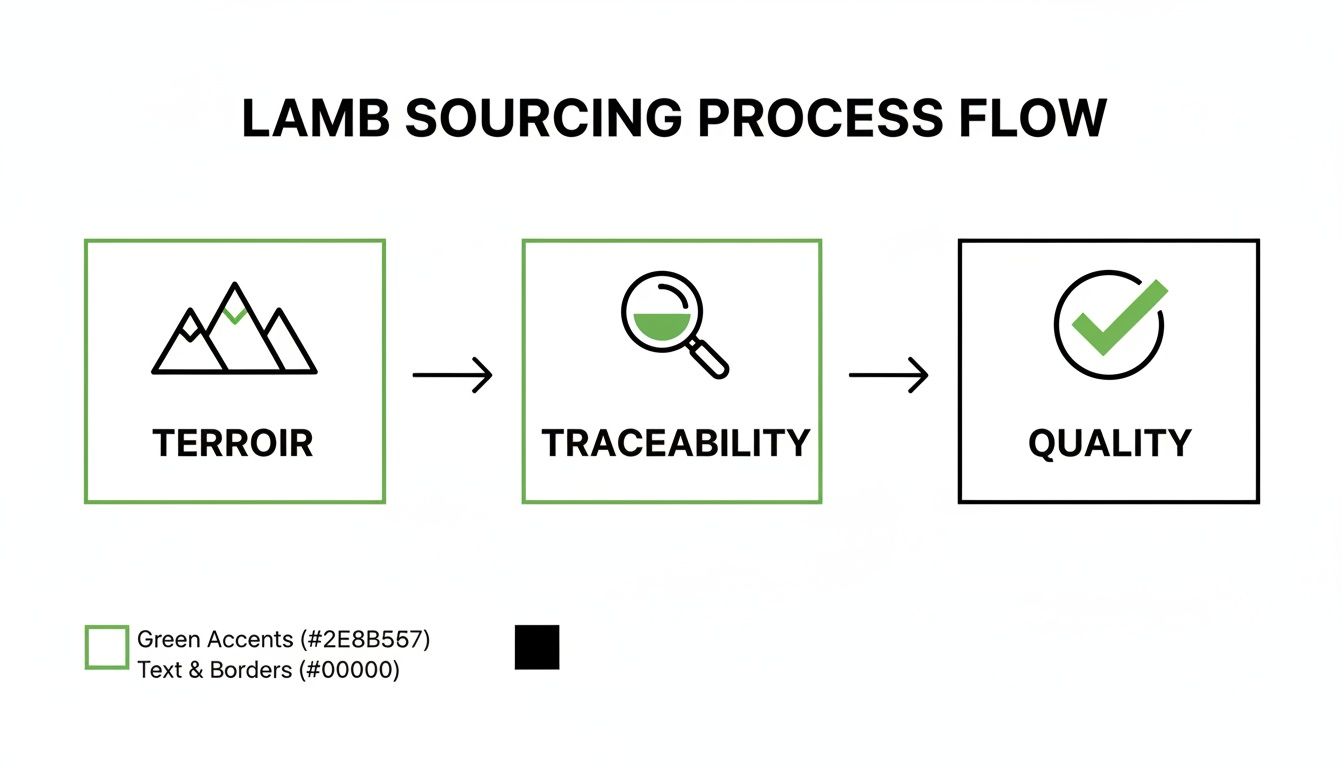
This process really drives home that great butchery starts with impeccable sourcing. Terroir and traceability are just as important as the final cut.
The Financial Acumen of Butchery
Every cut you make has a financial consequence. Understanding yield percentages and cost-per-portion is what separates a good cook from a profitable chef. It turns butchery from a prep task into a powerful cost-control center.
Calculating Yield Percentage:(Weight of Usable Portions / Original Weight of Sub-Primal Cut) x 100 = Yield %
Let's say you start with a 5 lb lamb rack and end up with 4 lbs of sellable chops. Your yield is 80%. That remaining 1 lb of trimmings isn't waste; it's an opportunity. Those bones and fat are gold for stocks, sauces, or rendering, letting you extract value from nearly 100% of your purchase.
This kind of financial discipline is essential. For chefs aiming to maximize profitability, understanding operational solutions is just as critical as mastering knife skills. Exploring how efficient full-service restaurant solutions can support your business is a smart move. When you pair sharp knife work with sharp financial tracking, you make sure every lamb chop served strengthens your restaurant's bottom line.
Cooking Techniques for the Perfect Lamb Chop
Nailing the perfect lamb chop is all about precision. It's that moment where a chef's skill transforms a premium cut into something truly memorable. The right technique doesn’t just cook the meat—it deepens the flavor and brings out its natural tenderness.
Whether you're using the intense, direct heat of a cast iron pan or the gentle, controlled environment of a sous-vide bath, each method is a different path to the same goal. Understanding how heat works with the muscle fibers and fat is what separates a good chop from a great one, time after time.
The Foundation: Proper Prep
Before the chop ever hits the heat, a little prep work sets the stage for success. No amount of technique can save a poorly prepared piece of meat.
It starts with something simple: letting the lamb come to room temperature for at least 20-30 minutes. This one step is crucial for even cooking, preventing that dreaded combination of a seared outside and a cold, raw middle.
Next, pat the surface completely dry with a paper towel. Moisture is the enemy of a great sear. It creates steam, which is the opposite of the browning we want from the Maillard reaction. A dry surface is non-negotiable for getting that deep, flavorful crust.
High-Heat Methods: Pan-Searing and Grilling
For a phenomenal crust, nothing beats the intensity of direct, high-heat cooking. Pan-searing and grilling are the classic go-to methods, creating a beautifully browned exterior while keeping the inside juicy and pink.
- Pan-Searing: This technique gives you maximum control. A heavy-bottomed skillet—cast iron is best—holds heat like nothing else. Get the pan screaming hot with a high-smoke-point oil before the lamb goes in. That initial blast of heat is what kickstarts the Maillard reaction and builds that perfect crust.
- Grilling: Grilling adds a smoky dimension that pairs beautifully with lamb's natural richness. The trick is to create two heat zones on your grill. Sear the chops over the direct heat to get those classic grill marks, then move them to the cooler side to finish cooking gently without burning.
To add another layer of flavor, try basting pan-seared chops with butter, crushed garlic, and hardy herbs like thyme or rosemary during the last minute or two of cooking. This infuses the meat with incredible aromatics. For more ideas, check out our full collection of professional recipes and culinary guides.
Precision Cooking: Sous-Vide and Roasting
When you need absolute consistency, especially during a busy service, precision methods are your best friend. Sous-vide and roasting give you unparalleled control over the final temperature.
Sous-vide is the ultimate set-it-and-forget-it technique. You vacuum-seal the lamb and cook it in a water bath held at the exact target temperature. This eliminates all guesswork. All it needs is a quick, aggressive sear in a hot pan just before plating to create that beautiful crust.
Roasting, especially for thicker chops or a full rack, uses a more gentle, even heat. It’s perfect for rendering the fat cap slowly, letting it baste the meat as it cooks and keeping everything succulent.
A critical factor in sourcing for these techniques is traceability. As global trade reshapes the lamb market, Oceanian giants like Australia and New Zealand are pivoting exports to booming Western markets. New Zealand's exports to the U.S. soared by 30%, ensuring a steady supply of high-quality options. For culinary directors, this means premium Patagonian lamb chops arrive with the full traceability and sustainability credentials that modern diners demand. Explore more on global lamb market trends and their impact.
The Essential Temperature Guide
Forget timing recipes. The only way to guarantee a perfectly cooked lamb chop is to cook to temperature. An accurate instant-read thermometer is a chef's best friend.
Remember to pull the lamb from the heat about 5-10°F below your final target temperature. The chops will continue to cook as they rest—a process known as carryover cooking—and will land perfectly in the desired doneness range.
Here’s a breakdown of the temperatures you need to know.
Lamb Chop Internal Temperature and Doneness Guide
Doneness LevelDescriptionPull from Heat (Internal Temp)Final Temp After RestingRareDeep red center, very soft115-120°F (46-49°C)125°F (52°C)Medium-RareBright red center, soft and juicy125-130°F (52-54°C)135°F (57°C)MediumPink center, firm but juicy135°F (57°C)145°F (63°C)Medium-WellSlightly pink center, very firm140-145°F (60-63°C)150°F (66°C)Well-DoneNo pink, very firm and dry150°F (66°C)160°F (71°C)
Finally, resting the lamb for 5-10 minutes before slicing is non-negotiable. This simple step allows the juices to redistribute back into the meat, ensuring every single bite is as moist and flavorful as possible. Don't skip it.
Getting Lamb From Pass to Plate
A perfectly cooked lamb chop is a statement of skill. But the journey from the pass to the guest is where it becomes a signature dish. This is where thoughtful plating and smart flavor pairings turn a great protein into a memorable experience—the kind that justifies a premium price and gets people talking.
That final step is all about telling a story on the plate. You’re creating a first impression that hits hard and building a flavor profile that sticks with the diner long after they’ve left. Moving beyond the expected is how you set your menu apart.
Crafting a Plate That Sells Itself
Plating is a silent conversation with your guest. It signals care, quality, and creativity before they even take a bite. For an item like a lamb chop, the presentation has to live up to its cost. The goal is a composition that’s both beautiful and easy to eat, guiding the diner through the dish.
Keep these principles in mind for plating with impact:
- Create a Focal Point: The lamb chop is the hero. Position it with purpose, whether it’s a Frenched rack standing tall or two chops crossed with intention.
- Use Negative Space: Don't crowd the plate. A little white space creates a clean, focused look that makes every component stand out.
- Play with Color and Texture: Contrast is your friend. Pair the rich, brown crust of the lamb with vibrant green purees, a swipe of bright red sauce, or the sharp texture of roasted root vegetables.
A single, perfectly cooked lamb chop leaning against a creamy parsnip puree, scattered with emerald pistachios and a drizzle of dark jus, has more power than a chaotic, overloaded plate ever will.
Flavors Beyond the Expected
Lamb and mint is a classic for a reason, but today’s kitchens have a much wider palette to play with. A great pairing should either complement the lamb’s inherent richness or offer a sharp, acidic contrast that cuts right through it.
Look around the world for inspiration. An Argentine-style chimichurri—with its punchy mix of parsley, garlic, and vinegar—offers a fresh, herbaceous counterpoint that cleanses the palate. For something deeper and smokier, Spanish-inspired flavors like smoked paprika and sherry vinegar can add incredible complexity.
A well-designed pairing does more than just taste good; it tells a story. It can transport a diner to a specific region, highlight the seasonality of your ingredients, or show off your unique point of view on a classic dish.
Writing Menu Descriptions That Connect
The final touchpoint is the menu itself. Your description is the first and best chance you get to sell the dish before anyone sees it. It should be evocative and concise, zeroing in on what makes your lamb chop special.
Highlight the details that signal quality and care:
- Origin: Naming "Grass-Fed Patagonian Lamb" immediately establishes a premium, traceable product.
- Technique: Use words like "Pan-Seared," "Char-Grilled," or "Herb-Crusted" to paint a picture of how it’s cooked.
- Pairings: Briefly mention the key accompaniments, like "with Saffron Risotto and a Red Wine Reduction."
A description like "Char-Grilled Patagonian Lamb Chops with a Smoky Romesco Sauce and Crispy Fingerling Potatoes" tells a story of place, technique, and flavor. It entices the guest and sets the stage for a truly exceptional meal.
Frequently Asked Questions About Lamb Chops
Even the most seasoned chefs run into questions when the goal is perfection. Here are a few common queries we hear from pros, with practical answers to take your lamb program from excellent to truly exceptional.
Handling Lamb's Unique Flavor
The first question is always about the flavor—specifically, how to manage the "gaminess" some diners associate with lamb.
That distinct taste usually comes down to the animal's age and diet. Sourcing younger, high-quality lamb from a pristine environment like Patagonia is the first step. It naturally yields a milder, cleaner flavor profile. Trimming is also key. A good portion of that strong flavor is concentrated in the fat, so a careful trim before cooking makes a world of difference.
Finally, balance it on the plate. Acidity is your friend here. A squeeze of lemon, a bright chimichurri, or a sharp vinaigrette cuts through the richness and elevates the entire dish.
Writing a Wholesale Spec Sheet
Vague orders lead to inconsistent product. To get the exact same cut from your supplier every single time, you need a detailed spec sheet. It’s non-negotiable for quality control.
Make sure your sheet includes:
- Primal Cut: Be specific. Don't just say "rack," say "8-rib rack, Frenched."
- Portion Weight: Define the exact weight and tolerance (e.g., "4 oz per lamb chop, +/- 0.5 oz").
- Trim Level: Clarify your exact needs, like "cap off" and the desired fat trim thickness.
- Sourcing Criteria: Note the essentials like "grass-fed Patagonian lamb," "antibiotic-free," and any required certifications.
Applying Cooking Techniques
While both loin and rib chops are tender cuts that love high-heat cooking, they don’t behave identically. Think of rib chops as the more delicate of the two; they cook quickly and are perfect for hitting that beautiful medium-rare.
Loin chops are meatier—like a mini T-bone—and can stand up to slightly more time on the grill without drying out.
The key is to always cook to temperature, not time. This accounts for the subtle variations between different cuts, ensuring a perfect result every time, regardless of which lamb chop you choose.
Once your technique is dialed in, you can focus on the bigger picture. After all, a perfectly cooked chop deserves a flawless presentation, and learning how to host a dinner party like a pro ensures your hard work gets the spotlight it deserves.
Discover the exceptional flavor and quality of ethically sourced meats with WorldClass. Explore our curated collection of premium Patagonian lamb and more at https://www.worldclass.com.

.webp)


