

The Chef’s Guide to Premium Flank Steak
Any chef worth their salt knows a phenomenal marinated flank steak starts long before the pan heats up. The secret lies at the source: selecting a cut where provenance, animal welfare, and traceability are guaranteed. When every detail is intentional—from the pasture to the plate—the flavor and texture speak for themselves.
Sourcing: The Secret to Exceptional Flank Steak
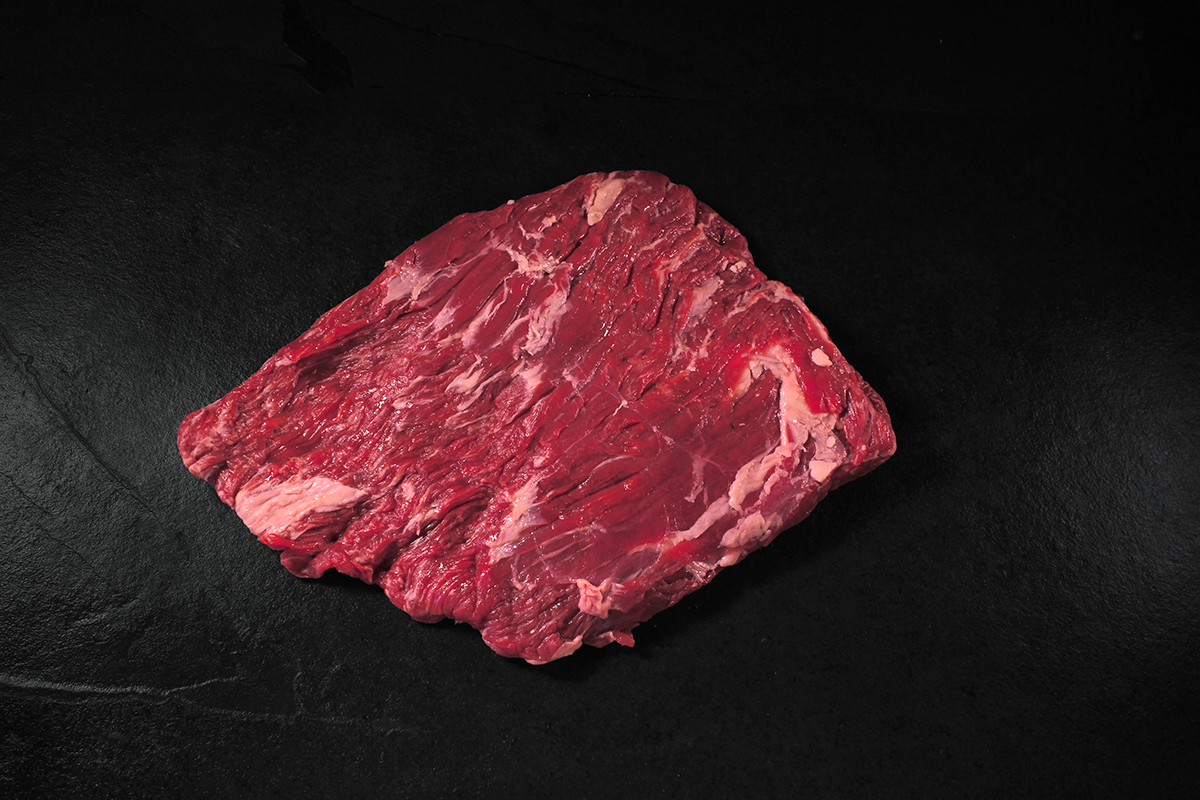
Flank steak is a lean, muscular cut built for flavor and marinades. But its true potential depends on its story: where it was raised, what it ate, and how it was handled. Chefs today are increasingly sourcing beef with full transparency—not just to satisfy curiosity, but because it directly impacts tenderness, marbling, and depth of flavor.
Premium examples, like WorldClass Certified Black Angus from Argentina, offer predictable quality and rich, beefy character. Sourcing thoughtfully allows you to craft dishes that deliver a consistent, elevated experience—every time.
Key hallmarks of a chef-ready flank steak:
- Animal Welfare & Diet: Grass-raised, grain-finished beef balances lean, mineral-forward flavor with melting intramuscular fat that keeps the steak juicy.
- Traceability & Certification: Certifications like Certified Black Angus guarantee genetics, consistency, and a superior eating experience.
- Ethical Practices: Antibiotic- and hormone-free product is now standard; Halal certification expands menu versatility.
A high-quality flank steak isn’t just an ingredient—it’s a statement of integrity.
Explore WorldClass Flank Steak.
Mastering the Marinade: Science Meets Flavor
A marinade isn’t simply a bath of flavors—it’s culinary chemistry. A thoughtfully built marinade softens the muscle fibers while layering complementary flavors. For a lean cut like flank, the balance of fat, acid, salt, and aromatics is critical.
The Golden Ratio: Most chefs start with three parts fat to one part acid. This ensures tenderization without compromising texture.
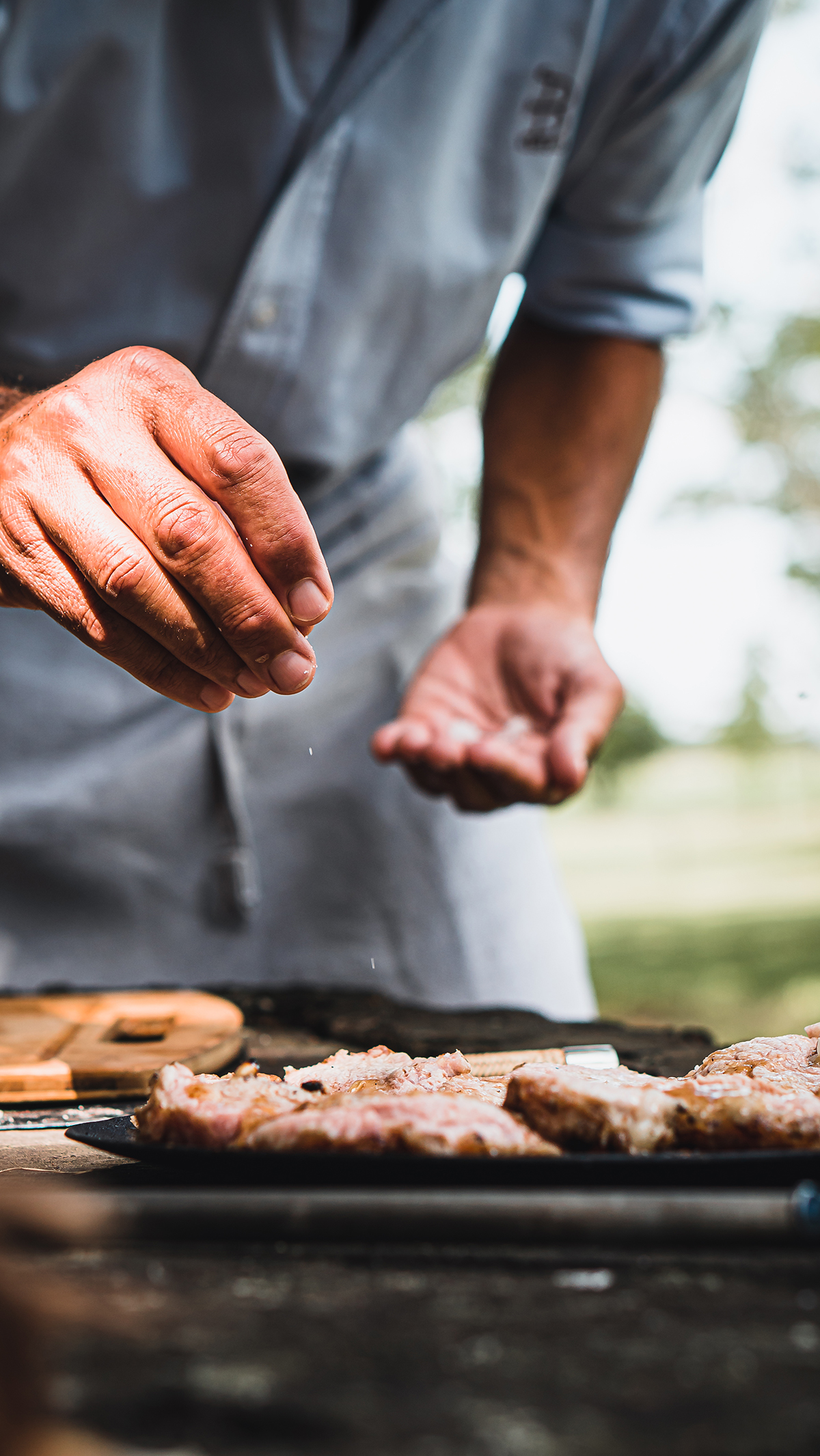
Mastering each component lets you adapt profiles, from classic chimichurri to Asian black garlic or Spanish adobo. We even have our own Chimichurri recipe featured here and paired with our classic grilled ribeye.
Chef-Vetted Marinade Profiles
- South American Chimichurri
Parsley, oregano, garlic, red wine vinegar, olive oil, red pepper flakes. Bright, herbaceous, versatile.
- Asian Black Garlic
Soy, mirin, sesame oil, ginger, black garlic purée. Sweet, umami-rich, unforgettable.
- Smoky Spanish Adobo
Rehydrated chilies, cider vinegar, cumin, smoked paprika, Mexican oregano. Deep, rustic, robust.
Pro Tip: Reserve a portion of fresh marinade for finishing or sauces to prevent cross-contamination.
Timing for Flavor & Safety
The marinade window is crucial:
- High-acid marinades (citrus, vinegar): 4–8 hours
- Low-acid marinades (yogurt, soy-based): 8–24 hours
Always marinate in non-reactive containers under refrigeration (≤40°F / 4°C). These small details ensure flavor penetration without compromising texture or food safety.
Cooking Techniques for Flawless Execution
Pat Dry First: A dry surface ensures an immediate, intense sear and prevents steaming.
High-Heat Grilling:
- 450–500°F (232–260°C)
- 4–5 minutes per side for medium-rare
- Quick, intense sear preserves interior tenderness
Pan-Roasting:
- Preheat cast-iron skillet, high smoke-point oil
- Sear 2–3 min per side
- Thicker cuts: finish in 400°F (204°C) oven 5–10 min
Internal Temperatures:
- Rare: 125°F / 52°C
- Medium-Rare: 130–135°F / 54–57°C
- Medium: 140–145°F / 60–63°C
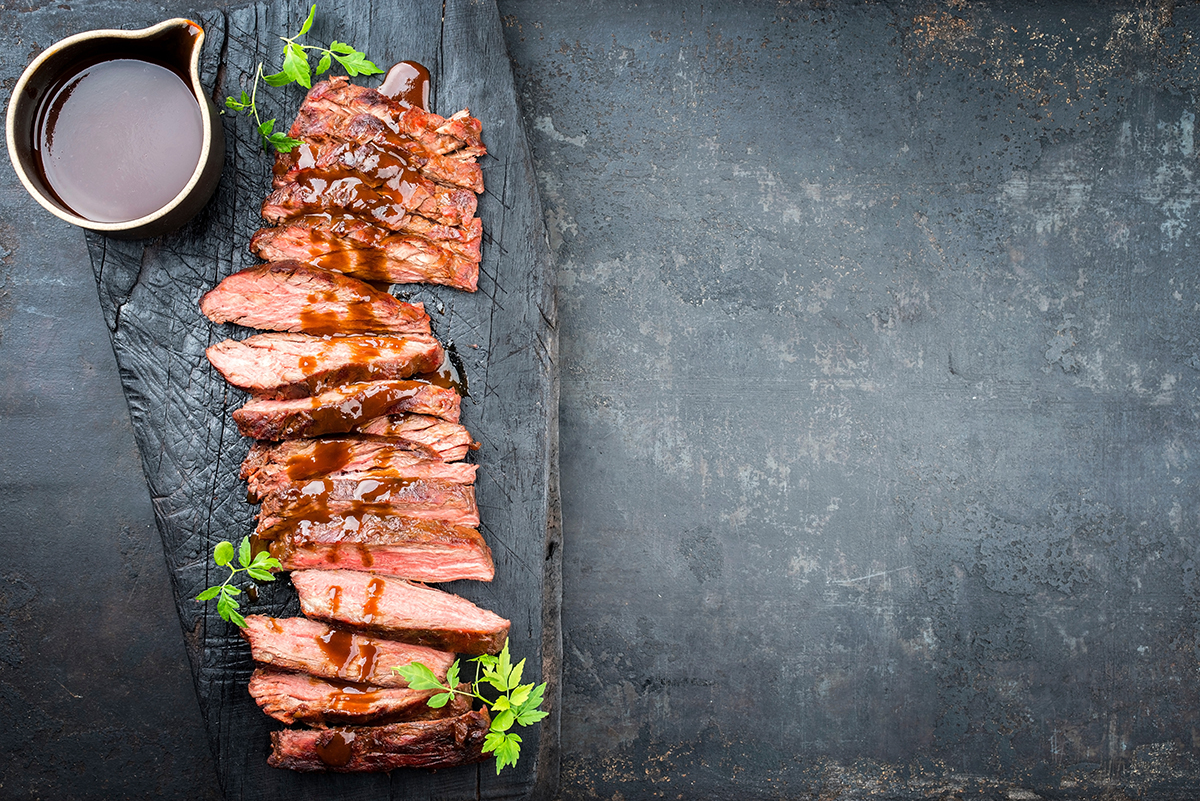
Rest & Slice: Let steak rest 5–10 min; slice thinly against the grain for maximum tenderness.
Plating & Pairing Like a Pro
Marinade profile guides pairing:
- Chimichurri: Argentinian Malbec, blistered padrón peppers, potato hash
- Asian Black Garlic: Crisp dry sake or high-acid Pinot Gris, wok-charred broccolini
- Spanish Adobo: Spanish Tempranillo, patatas bravas, ensalada mixta with sherry vinaigrette
Think visual storytelling: color, texture, and negative space make the steak shine.
Scaling & Storage
For professional kitchens:
- Batch prep in non-reactive containers
- Strict date labeling
- Freeze only when necessary to preserve premium quality
Premium WorldClass flank steak adapts seamlessly to high-volume prep while maintaining flavor integrity.
Chef FAQs
Can you marinate frozen flank steak?
Yes, but thaw completely first. Rushing leads to uneven flavor and texture.
Biggest mistakes to avoid:
- Slicing with the grain → chewy, tough bites
- Over-marination → pale, mealy edges
Proper prep, timing, and slicing are the hallmarks of professional execution.
Elevate your menu with WorldClass premium, traceable meats. Explore the full collection: