
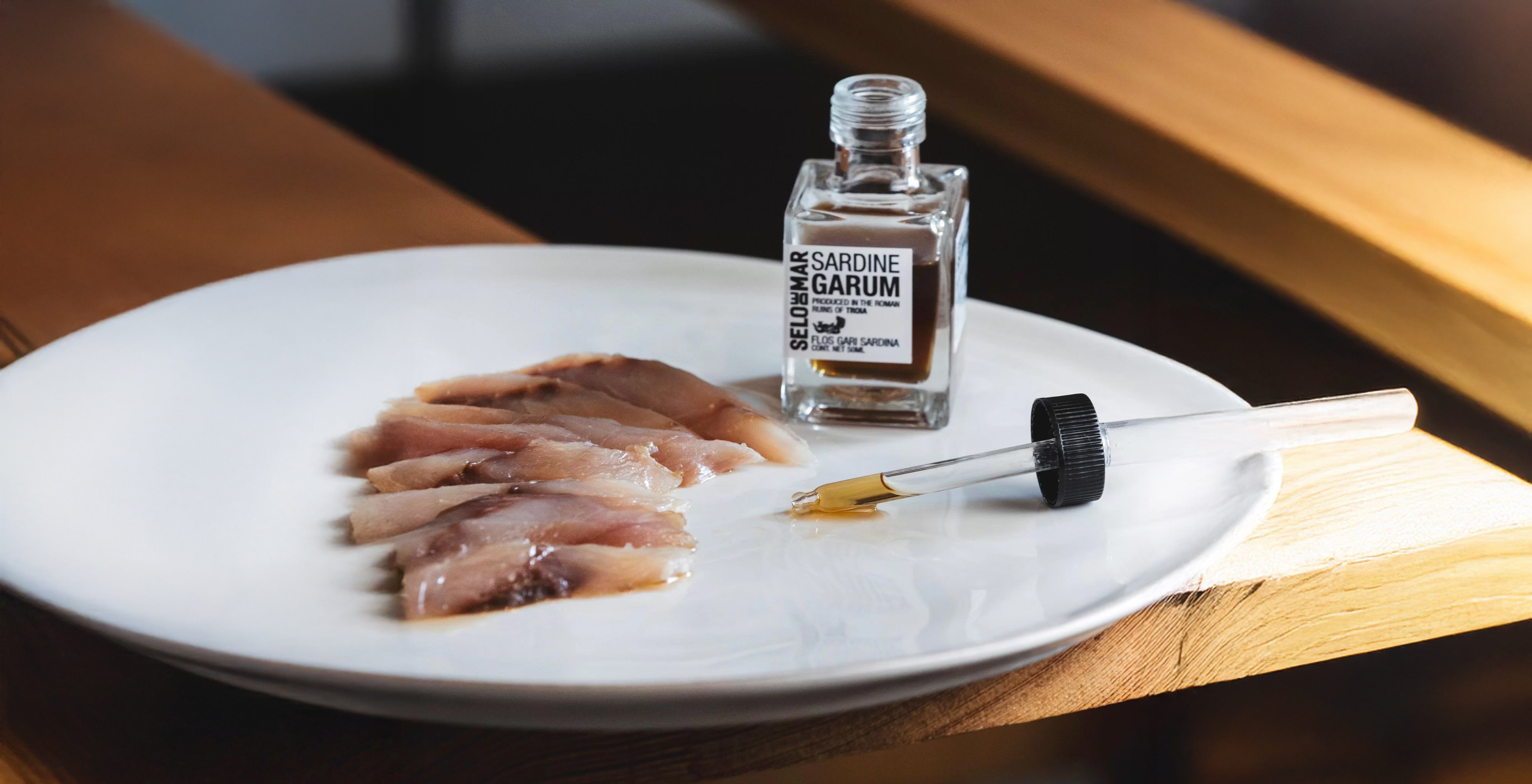


Fish sauce isn’t just a condiment—it’s a foundational ingredient. For chefs, it’s a liquid expression of time, place, and fermentation at its most precise.
At its core, the process is elemental: fish—most often anchovies—and salt, layered and left to transform over months or even years. What emerges is a clear, amber-hued liquid with remarkable depth: one of the purest, most concentrated expressions of umami in the culinary toolkit.
Used with intention, fish sauce functions less as a seasoning and more as a structural element—akin to a well-aged cheese or a complex wine—building depth, continuity, and balance across a dish.
Understanding the Power of Fish Sauce
In the kitchen, fish sauce operates as a quiet amplifier. The glutamates developed during fermentation deliver a savory backbone that can round out a vinaigrette, deepen a braise, or sharpen the edge of sweetness in caramel.
Its strength lies in restraint. When properly applied, it doesn’t read as “fish”—it simply makes everything else more complete. This is the essence of layered cooking: enhancing without overpowering. This is the core of great cooking, and you can explore this concept further in our guide on how Salt, Fat, Acid, Heat elevate great ingredients.
A Global Pantry Essential
While rooted in the culinary traditions of Vietnam, Thailand, and the Philippines, fish sauce has become a staple in professional kitchens worldwide.
Chefs increasingly rely on it as a precision tool: a few drops to deepen tomato sauces, build savoriness in meat preparations, or add dimension to broths and vegetables. It’s often the invisible element—the note that makes a dish feel finished.
This broader adoption reflects a deeper shift in how global ingredients are used today—not as novelties, but as integral components in building flavor across cuisines.
At its core, fish sauce offers a clean, direct pathway to umami. It allows chefs to build flavor from the base up, ensuring each element of a dish works in alignment.
The Chef’s Advantage
For culinary professionals, understanding fish sauce begins with recognizing variation. Not all bottles are created equal—species, salinity, fermentation time, and technique all shape the final profile.
A high-quality fish sauce delivers across three essential dimensions:
- Depth of Flavor: Beyond salinity, expect layered notes—subtle sweetness, clean brine, and a long, savory finish.
- Balance: Potent, but never harsh. The best expressions integrate seamlessly without dominating.
- Versatility: Equally effective in raw applications like dressings and finishing sauces as in cooked preparations, maintaining integrity throughout.
Mastery lies in selection as much as application—choosing a sauce that complements, rather than competes with, the dish.
Tracing the Origins of Fish Sauce
Though synonymous with Southeast Asian cuisine, fish sauce traces its lineage to the ancient Mediterranean.
In the Greco-Roman world, a fermented fish condiment known as garum played a central role in cooking. Made from the blood and viscera of fish such as mackerel, tuna, and anchovies, garum was the Roman Empire’s essential savory seasoning—used across everything from simple grains to elaborate feasts.
The method was strikingly familiar: fish layered with salt, left to break down and mature under controlled conditions. The result was a stable, intensely flavorful liquid prized for its ability to add depth and complexity.
You can learn more about garum and our varieties in this post.
As trade routes expanded, this foundational technique traveled eastward along maritime and overland networks, carrying the principles of fish fermentation into new regions where it would be adapted and refined.
The Journey East: Technique Meets Terroir
With the decline of the Roman Empire, the practice of fish fermentation didn’t disappear—it evolved.
Along the Silk Road and regional trade routes, the technique reached Southeast Asia, where it was adapted to local conditions and ingredients. Small, abundant anchovies became the ideal base, and fermentation methods were refined to suit tropical climates.
Here, fish sauce became something more than preserved seasoning—it became an expression of place.
As with wine, regional differences in climate, raw materials, and technique began to shape distinct styles. The process remained consistent, but the outcomes became deeply local—each reflecting its own coastal ecosystem and culinary tradition.
Cultural Identity and Regional Styles
Across Southeast Asia, fish sauce developed into a defining ingredient, with each country producing its own distinct expression:
- Vietnam (Nước Mắm): Often regarded as the most refined style, Vietnamese fish sauce is known for its balance and clarity. Producers—particularly on islands like Phu Quoc—use fresh anchovies and sea salt, aging the mixture in large wooden barrels for a year or more to develop a clean, nuanced profile.
- Thailand (Nam Pla): Typically more assertive, Thai fish sauce carries a stronger aroma and higher salinity. Some styles incorporate sugar or molasses, contributing to a darker color and added depth—well-suited for curries, stir-fries, and dipping sauces.
- Philippines (Patis): Bold and direct, patis is a workhorse ingredient. Often produced with shorter fermentation, it delivers a robust salinity that integrates easily into cooking, particularly in broths and sautéed dishes.
The Art of Fermentation and Production
Making truly great fish sauce is an exercise in patience. It’s an art form that transforms two simple ingredients—fish and salt—into liquid gold. Much like aging a fine wine or a complex cheese, the process relies on time, temperature, and the invisible work of enzymes to develop a flavor so profound it can define a dish.
It begins with small, oil-rich anchovies. But not just any anchovies. The best producers are exacting about freshness, often processing their catch within hours of leaving the sea. This immediacy is non-negotiable—it’s the only way to prevent off-flavors from developing.
Salt is just as critical as the fish itself. Coarse, clean sea salt is layered with the anchovies in a precise ratio, typically around one part salt to three parts fish. Getting this balance right is essential. Too little salt invites spoilage; too much suppresses the very enzymes needed for fermentation.
The Magic of the Breakdown
Once packed into traditional wooden barrels or earthenware jars, the real transformation begins. The mixture is left to ferment for anywhere from six months to two years.
During this period, natural enzymes from the fish’s own viscera gradually break down proteins into their core components: amino acids. This process, known as proteolysis, is the foundation of fish sauce production. It’s what generates the deep, savory umami, driven largely by glutamic acid released through slow fermentation.
Think of it as controlled deconstruction. Salt draws moisture from the fish, forming a highly saline brine that inhibits harmful bacteria while allowing enzymatic activity to continue. Over time, the solid fish breaks down and liquefies into a rich, aromatic, amber-hued liquid. The longer it ferments, the more layered and complex the final flavor becomes.
Regional Styles and Terroir
Like a wine’s AOC, the origin and production methods of fish sauce impart a distinct sense of terroir. Climate, fish species, and even the type of fermentation vessel all leave a fingerprint on the final product.
Across Southeast Asia, these variables result in clearly differentiated styles, each suited to different culinary applications.
How to Taste and Pair Fish Sauce
Tasting fish sauce goes beyond identifying salinity—it’s about looking past that initial impression to recognize the layers developed through fermentation. Like tasting wine or high-quality olive oil, a thoughtful approach reveals subtle differences that distinguish a basic pantry staple from a more refined, artisanal product.
This perspective is what allows for precise pairing. The goal is to use fish sauce in a way that enhances a dish without overwhelming it—balancing intensity with restraint. Developing this awareness means learning to recognize structure, complexity, and quality through direct sensory evaluation.
The Professional Tasting Method
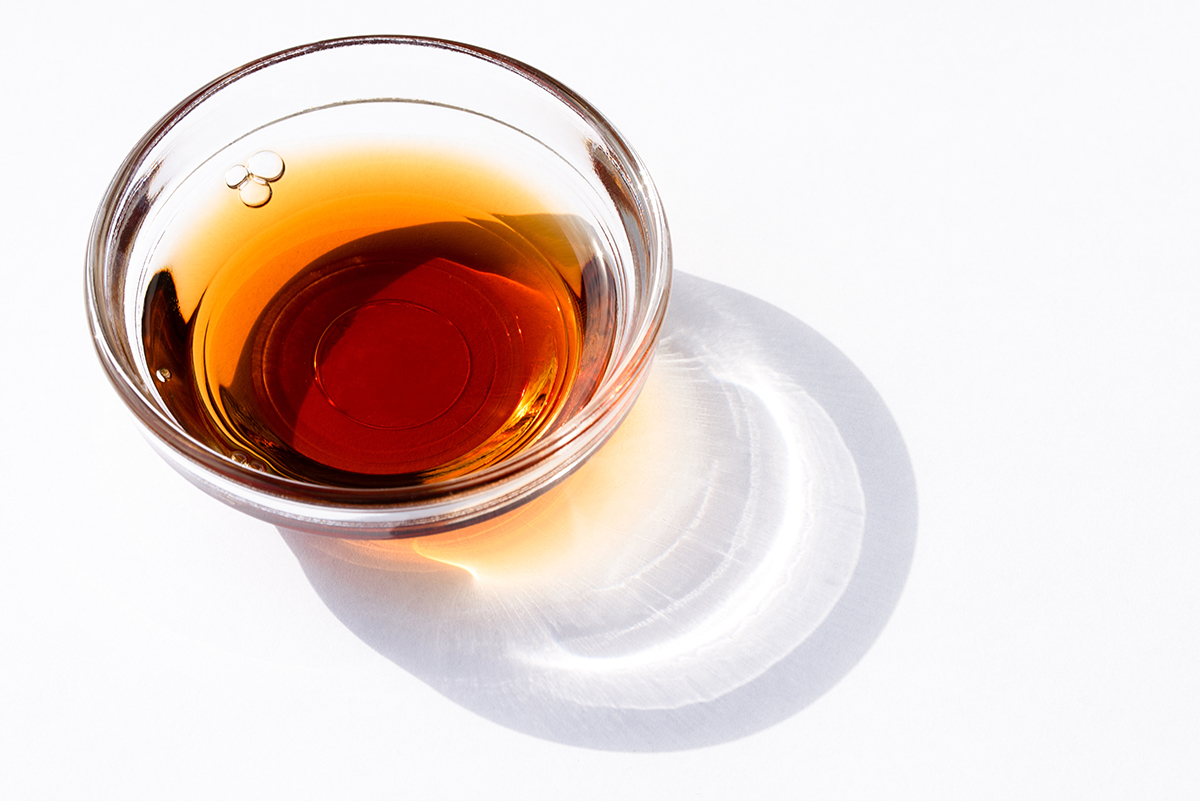
To evaluate fish sauce properly, isolate the experience. Pour a small amount into a shallow white bowl to observe both color and viscosity, then use a clean spoon and follow a structured approach:
- Look at It: Premium first-press fish sauce (nước mắm nhỉ) should be clear, with a bright amber or reddish-brown hue. Cloudiness, murkiness, or excessive darkness can indicate lower quality, overprocessing, or the presence of additives.
- Smell It: Gently swirl and bring the bowl toward your nose. The aroma should be clean and savory—briny, but not overly “fishy” or harsh. Higher-quality sauces often carry subtle secondary notes such as caramel, nuts, or dried fruit.
- Taste It: Take a small sip and allow it to coat the tongue. Salinity will register first, followed by a deep umami presence. Look for balance—does a subtle sweetness emerge? Does the finish remain clean and structured?
- Feel the Texture: Pay attention to viscosity. A well-made fish sauce should feel light and fluid, not thick or syrupy. The flavor should linger pleasantly, with no harsh, bitter, or overly aggressive aftertaste.
Articulating Flavor Profiles
Being able to describe what you’re tasting is what separates good cooking from great cooking. Instead of simply labeling fish sauce as “salty,” the goal is to identify the layered characteristics that define a high-quality product.
A great fish sauce expresses itself in stages. The initial salinity gives way to a deep, lingering umami, followed by subtle sweet undertones—often reminiscent of caramel or dried fruit. This complexity is what makes it such a powerful tool for building balanced, nuanced dishes.
Here are a few key tasting notes to look for:
- Briny: A clean, oceanic saltiness, similar to fresh oysters or sea air.
- Savory/Umami: A deep, mouth-coating richness driven by naturally occurring glutamates.
- Sweet: Faint notes of caramel, molasses, or dried fruit that help round out the salt.
- Nutty: Subtle toasted or almond-like undertones often found in well-aged sauces.
- Clean Finish: A smooth, lingering aftertaste without bitterness or harsh, “off” flavors.
Expert Pairing with Premium Proteins
The real art of using fish sauce lies in matching its specific profile to the right ingredients. Rather than acting as a dominant flavor, it functions as an enhancer—amplifying and clarifying the natural character of the dish.
For delicate proteins like New Zealand Scampi or Black Cod, a lighter, cleaner Vietnamese nuoc mam is ideal. Its balanced profile highlights natural sweetness without overwhelming subtle flavors. A few drops in a marinade or finishing butter can introduce a refined layer of savory depth.
With richer proteins such as Argentine Black Angus Beef or Patagonian Lamb, a more assertive Thai nam pla works especially well. Its higher intensity and deeper umami can stand up to bold flavors, making it suitable for marinades, glazes, or slow braises. For example, incorporating it into a glaze for short ribs adds complexity that complements rendered fat and enhances overall richness.
Unconventional Applications Beyond the Expected
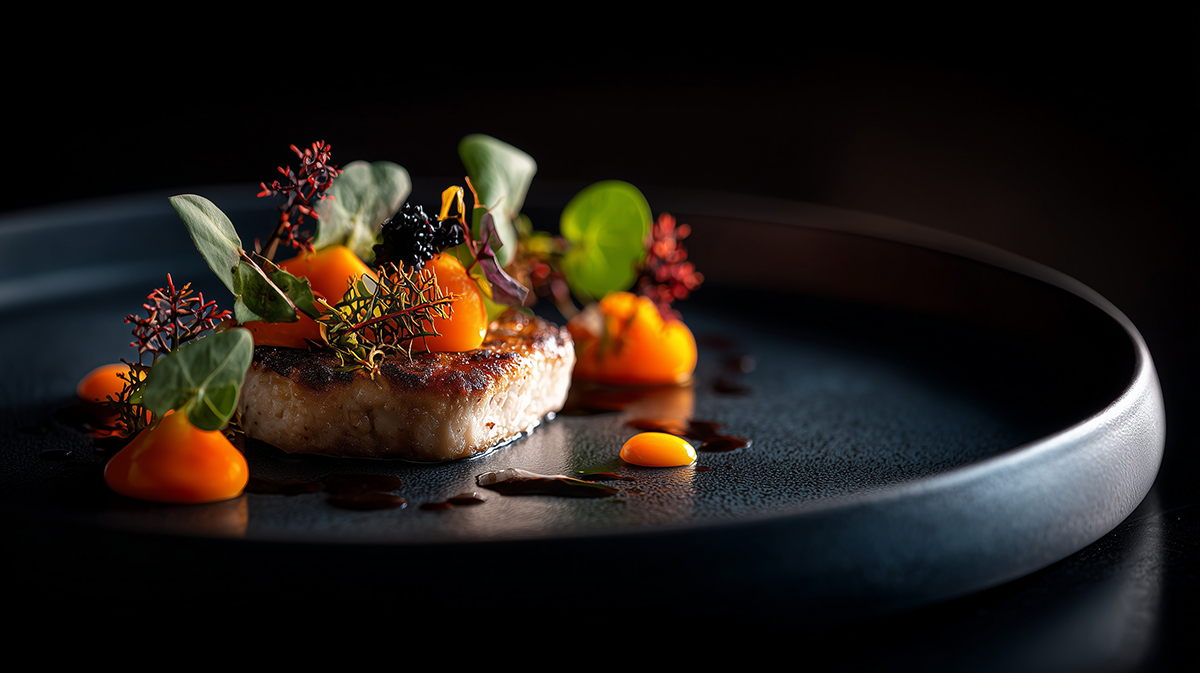
Fish sauce is not limited to traditional Southeast Asian cooking. Its ability to deliver concentrated umami makes it a versatile ingredient across a wide range of modern applications.
- Vinaigrettes and Dressings: A small amount can replace anchovies in Caesar dressing, delivering a smoother, more integrated umami profile. It also helps balance acidity in citrus-based vinaigrettes.
- Caramel Sauces: Adding a small quantity to caramel creates a nuanced salted caramel with added savory depth and complexity.
- Cocktails: Forward-thinking mixologists use fish sauce in small amounts to introduce savory contrast. A drop or two in a Bloody Mary or citrus-forward cocktail can enhance complexity in a similar way to saline solutions.
- Stocks and Broths: When a broth tastes flat, a splash of fish sauce can quickly reinforce its savory foundation, improving depth and overall balance.
Once you understand how to taste, pair, and apply fish sauce, it evolves from a background ingredient into a core component for building layered, memorable flavor.
Sourcing Premium Fish Sauce for Your Kitchen
Walking down the aisle, it’s easy to get lost in a sea of fish sauce bottles that appear nearly identical. However, the difference between a mass-produced product and an artisanal one is significant. Sourcing premium fish sauce is less about brand recognition and more about identifying clear indicators of quality, process, and origin.
Think of it in the same way you would evaluate single-origin coffee or extra-virgin olive oil. The origin, ingredients, and production method all contribute directly to flavor. A high-quality fish sauce should deliver clean, complex umami without excessive fishiness or harsh, chemical aftertastes. The first indicators of quality begin on the label.
Decoding the Label: What to Look For
The best fish sauces typically have the simplest ingredient lists: anchovies and salt. That’s it.
Anything beyond that—such as added MSG, hydrolyzed proteins, sugars, or preservatives—can be a sign that additives are being used to compensate for lower-quality base ingredients or accelerated fermentation processes. True depth of flavor comes from time and controlled fermentation, not additives.
The gold standard in Vietnamese fish sauce is nuoc mam nhi, which translates to “first press.” This refers to the initial extraction from fermentation barrels and represents the most concentrated and aromatic portion of the batch. It is comparable to extra virgin olive oil in terms of purity and quality.
Subsequent extractions are produced by adding additional brine to the barrels, resulting in a more diluted product. When possible, look for “first press” or “virgin press” on the label as an indicator of higher quality and intensity.
Understanding Nitrogen Levels: A Chef’s Metric
One of the most reliable indicators of fish sauce quality is its nitrogen rating, expressed as °N. This measurement reflects the grams of nitrogen per liter and serves as a proxy for protein content—and therefore umami concentration. Higher °N values indicate a more complex and flavorful sauce.
- 20–30°N: Standard, everyday fish sauce. Suitable for general cooking but may lack depth for finishing applications.
- 30–40°N: Premium range. Balanced, robust, and versatile enough for most professional uses.
- Above 40°N: Highly concentrated, intensely flavorful sauces best used sparingly as finishing elements.
The °N rating helps guide proper usage, allowing you to match the intensity of the sauce to the needs of the dish.
Sustainability and Traceability: The Modern Standard
Beyond flavor, modern sourcing also considers environmental and ethical responsibility. The best producers prioritize sustainable fishing practices to protect anchovy populations and maintain long-term ecological balance.
Traceability is equally important. Reputable producers should be able to clearly identify where their fish are sourced and how the product is made. This transparency ensures not only quality control but also accountability throughout the supply chain.
By prioritizing clean ingredients, first-press designation, appropriate nitrogen levels, and responsible sourcing practices, you can confidently select a fish sauce that meets professional standards.
Your Fish Sauce Questions, Answered
Even with a strong understanding of production, quality markers, and usage, practical questions often arise during day-to-day cooking. Below are concise answers to some of the most common considerations.
What’s the Best Substitute for Fish Sauce?
There is no perfect substitute for the complexity of fish sauce. However, depending on the goal, certain combinations can approximate its savory and salty characteristics.
For general umami and salt balance:
- A mixture of soy sauce (or tamari) and a small amount of anchovy paste can replicate some of the fermented depth.
- Adding a touch of lime juice can help brighten and balance the profile.
For plant-based alternatives:
- Mushroom and seaweed-based broths (such as combinations of dried shiitake and kombu reduced with soy sauce) can build a layered umami base.
- Commercial vegan fish sauces often use fermented soy, seaweed, and mushroom extracts to mimic traditional profiles.
Each substitute involves compromise, as the unique character of traditionally fermented anchovies is difficult to replicate fully.
How Can I Tell If Fish Sauce Is High Quality?
Quality fish sauce can be evaluated through a combination of label review, appearance, and aroma.
- Ingredients: Should be limited to anchovies and salt. Additional additives may indicate lower-quality production.
- Nitrogen rating (°N): A value of 30°N or higher generally indicates premium quality.
- “Nuoc mam nhi”: Indicates first-press extraction, often associated with the highest concentration and flavor.
- Appearance: Clear, with a rich amber or reddish-brown color. Cloudiness or murkiness can signal oxidation or impurities.
- Aroma: Clean, briny, and savory—not aggressively fishy or harsh.
Does Fish Sauce Need to Be Refrigerated?
Yes. Once opened, fish sauce should be refrigerated to preserve flavor.
While its high salt content prevents spoilage in the traditional sense, exposure to air, light, and heat can lead to oxidation over time. This results in a darker color and a flatter, harsher flavor profile. Refrigeration helps maintain its original complexity and extends its peak quality for months.
Before opening, fish sauce can be stored in a cool, dark pantry.


.webp)


