



Welcome to São Miguel, the Heart of the Azores
Forget what you think you know about island life. This isn’t just a destination; it’s a chef’s pantry dropped in the middle of the Atlantic, a volcanic powerhouse built on mineral-rich soil and shaped by the sea. This is where flavor is born.
The Ultimate Chef’s Pantry in the Atlantic
For a chef, São Miguel isn’t just a place—it’s a proposition. It’s an ecosystem where cold, clean Atlantic waters meet fertile volcanic earth, creating ingredients that tell a story of where they come from. We’re not looking at this island as a tourist spot, but as a direct, reliable source for products defined by their terroir.
This guide explores how the island’s culture and time-honored farming practices fit perfectly with the demands of a modern kitchen. We’ll connect the dots and get to the why behind the taste—from the minerality of the soil to the sustainable ethos of its local producers.
A Thriving Hub of Production
Don’t mistake São Miguel for a sleepy, remote outpost. This is a bustling center for agriculture and commerce, the largest and most populated island in the Azores with around 140,000 people. That critical mass makes it the economic engine of the archipelago, supporting industries that send premium products to kitchens all over the world.
Think of São Miguel as a natural flavor amplifier. The volcanic earth acts like a concentrating lens, intensifying the taste of everything from produce to the milk of its famed grass-fed cows. This environment creates ingredients that carry a distinct signature.
What This Guide Covers for Chefs
This is your bridge between the kitchen and the island. We’re moving past the surface to give you real, actionable intelligence for sourcing and menu design. Our goal is to connect you directly with the soul of Azorean quality.
Here’s what you’ll find inside:
- Terroir-Driven Flavors: How volcanic soil shapes the taste profile of everything from pineapples to potatoes.
- Pristine Seafood: A deep dive into the wild-caught treasures of the Azorean sea and the sustainable methods used to harvest them.
- Artisan Producers: The stories behind the people who cultivate, catch, and craft the island’s best ingredients.
- Logistical Solutions: Practical, step-by-step guidance for getting these exceptional products from the Azores to your US kitchen.
This is your entry point to weaving the distinct character of São Miguel into your own culinary story. For a wider lens on the region, check out our guide to the Azores for a culinary journey through its famous cheeses and other local foods.
How Volcanic Terroir Shapes Flavor
To get São Miguel, you have to start with the ground. The island’s soil isn’t just dirt; it’s a living record of volcanic history, packed with minerals from centuries of eruptions and geothermal heat. This unique foundation acts as a natural flavor amplifier, creating a potent taste profile you just can’t replicate anywhere else.
Think of the terroir as a pre-seasoning, built right into the land. The porous, well-draining soil and mild, subtropical climate create an ideal, low-stress environment for plants. They spend their energy developing complex sugars and aromatics instead of just struggling to survive.
The result? Ingredients with an undeniable intensity. Vegetables are more vibrant, fruits are sweeter, and even the grasses that feed the island’s famous dairy cows are infused with a unique minerality. This is why “grown in São Miguel” is a mark of exceptional quality.
The Pineapple: A Sweet Emblem of Azorean Ingenuity
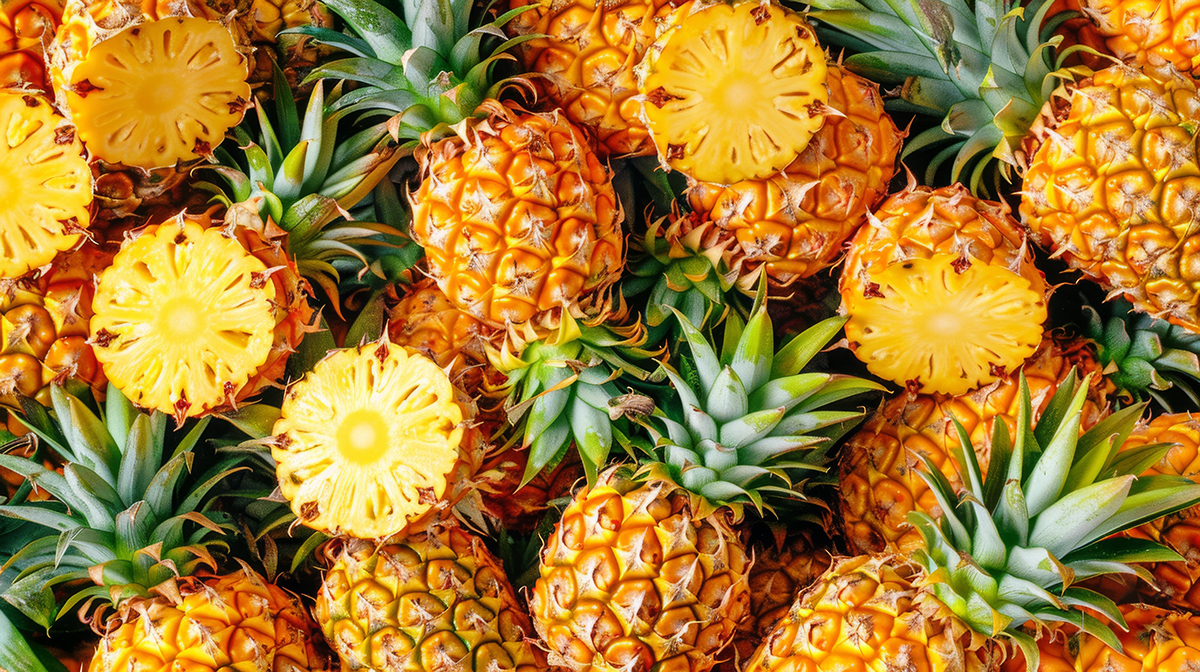
The Azorean pineapple, or Ananás dos Açores, is probably the most famous product of this environment. Unlike field-grown varieties, these are meticulously cultivated in glasshouses, a practice that dates back to the 19th century. This method isn’t for show—it’s a carefully controlled process designed to concentrate the influence of the terroir.
Inside these greenhouses, they use a traditional technique called “fumo.” Smoke from burning local foliage fills the structures, creating an atmosphere that triggers uniform flowering. This, combined with the rich volcanic soil, allows each pineapple to mature slowly over two years.
This patient cultivation creates a fruit that’s remarkably different from its tropical cousins:
- Lower Acidity: The slow maturation process dials back the sharp, acidic bite common in other pineapples.
- Intense Sweetness: Concentrated, honey-like sweetness that is both rich and delicate.
- Tender Texture: Flesh that’s exceptionally soft, almost melting in your mouth.
For a chef, the Azorean pineapple offers a refined sweetness without aggressive acidity. It’s perfect for delicate desserts, balanced sauces, or even sophisticated savory pairings with cured meats and rich seafood.
Dairy: The Richness of Volcanic Pastures
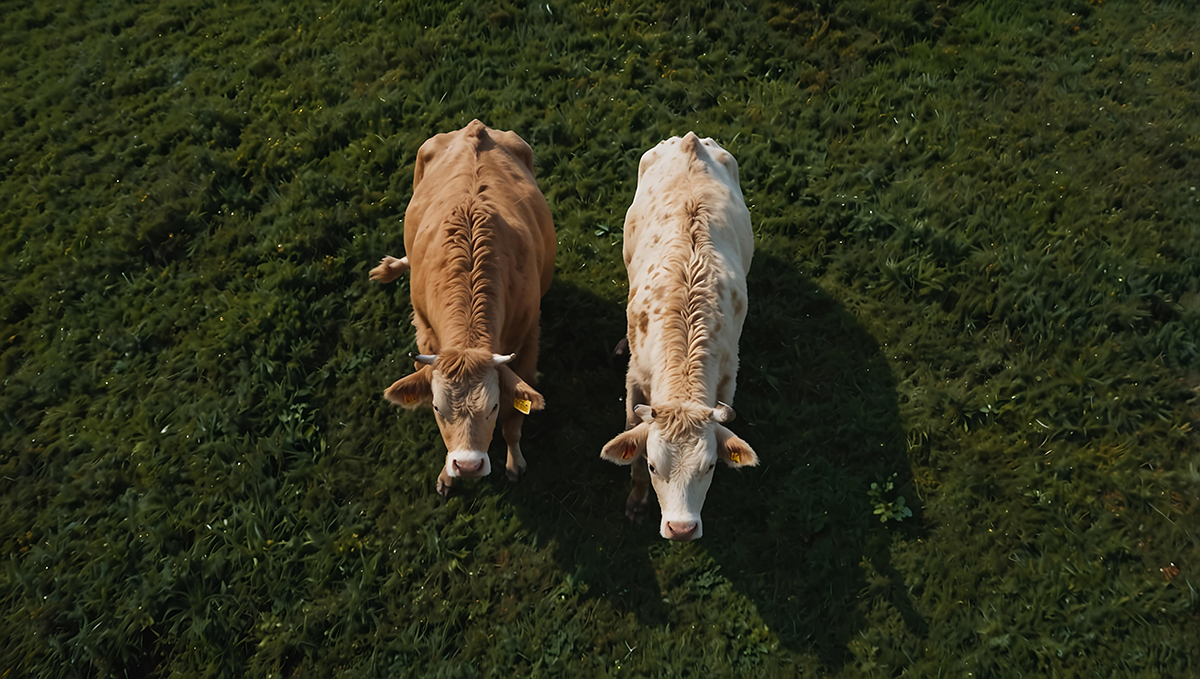
The same volcanic soil sustains São Miguel’s legendary dairy industry. The island’s cows graze year-round on lush, green pastures growing from this mineral-dense earth. This is grass-fed in its purest sense, and it translates directly into the quality of the milk.
The milk is naturally higher in butterfat and rich in beta-carotene, giving Azorean butter and cheeses their characteristic deep yellow color and complex, slightly nutty flavor. The terroir is present in every product, from the sharp, aged Queijo de São Miguel (DOP) to the creamiest butter you’ve ever tasted.
Think about the impact on a menu:
- Butter: Azorean butter isn’t just for cooking; it’s a finishing ingredient with a distinct flavor all its own.
- Cheese: The island’s cheeses carry notes of the pasture, offering complexity that can anchor a cheese board or become the star of a dish.
The volcanic foundation of São Miguel is the unseen force that elevates every ingredient. From the celebrated sweetness of its pineapples to the profound richness of its dairy, the island’s terroir delivers a consistent, high-quality flavor profile that gives chefs a powerful story to tell on the plate. It’s a direct line from ancient earth to the modern kitchen.
Sourcing the Bounty of the Azorean Sea
While the volcanic soil gives São Miguel its agricultural identity, the island’s soul belongs to the deep, pristine Atlantic. This isn’t just an ocean; it’s a cold, nutrient-rich engine churning out some of the world’s most incredible wild-caught seafood. For a chef, these waters are a direct line to product with superior texture, clean flavor, and a powerful story.
The secret is the island’s unique position at a confluence of currents, including the Gulf Stream. This constant flow of deep-water nutrients creates an incredibly vibrant marine ecosystem, attracting a rich diversity of species coveted in top kitchens worldwide.
The result is fish that are naturally leaner, firmer, and have a cleaner palate. Think of it as the marine equivalent of terroir—the merroir. The cold water forces fish to develop higher fat content for energy, but in a way that creates a rich, buttery texture, not an oily or “fishy” flavor.
Key Seafood Species from São Miguel Waters
For chefs navigating these pristine waters, understanding the star players is key. The table below breaks down the most valuable species, offering a quick reference on their flavor profiles and ideal culinary uses:
[TABLE]
These species are just the beginning. The consistent quality across the board from these waters gives you a reliable foundation for building a standout seafood program.
A Legacy of Sustainable Practices
The incredible quality of São Miguel’s seafood is inseparable from the traditional, ethical fishing methods passed down through generations. Azorean fishermen see themselves as stewards of the sea, not just harvesters. You can see it in their daily practices.
Take the pole-and-line technique for tuna: a one-man, one-hook, one-fish method that is “Dolphin Safe” certified and recognized globally as one of the most sustainable fishing practices. It ensures only mature tuna are targeted, leaving younger populations to thrive.
This dedication extends to other species, too. Local regulations strictly manage fishing seasons and catch limits to prevent overfishing. The use of smaller boats and artisanal gear means far less impact on the marine environment compared to industrial trawling.
For a chef, this traceability isn’t just a selling point—it’s a guarantee of quality. You can tell your guests a real story about where their food comes from, connecting them directly to the pristine waters of São Miguel and the community that protects them.
Beyond seafood, the same ethos applies to the island’s farmers. Generational knowledge, time-honored practices, and respect for natural cycles ensure that every product—from pimenta da terra to tea—is sustainable, flavorful, and ethically produced.
Beyond Dairy and Seafood
While cheese and fish are the heavy hitters, the island’s specialty ingredients tell a deeper story about its culture and history. These are the flavors that add nuance and surprise, the ones that let a chef create a truly authentic Azorean experience on the plate.
Two products, in particular, stand out:
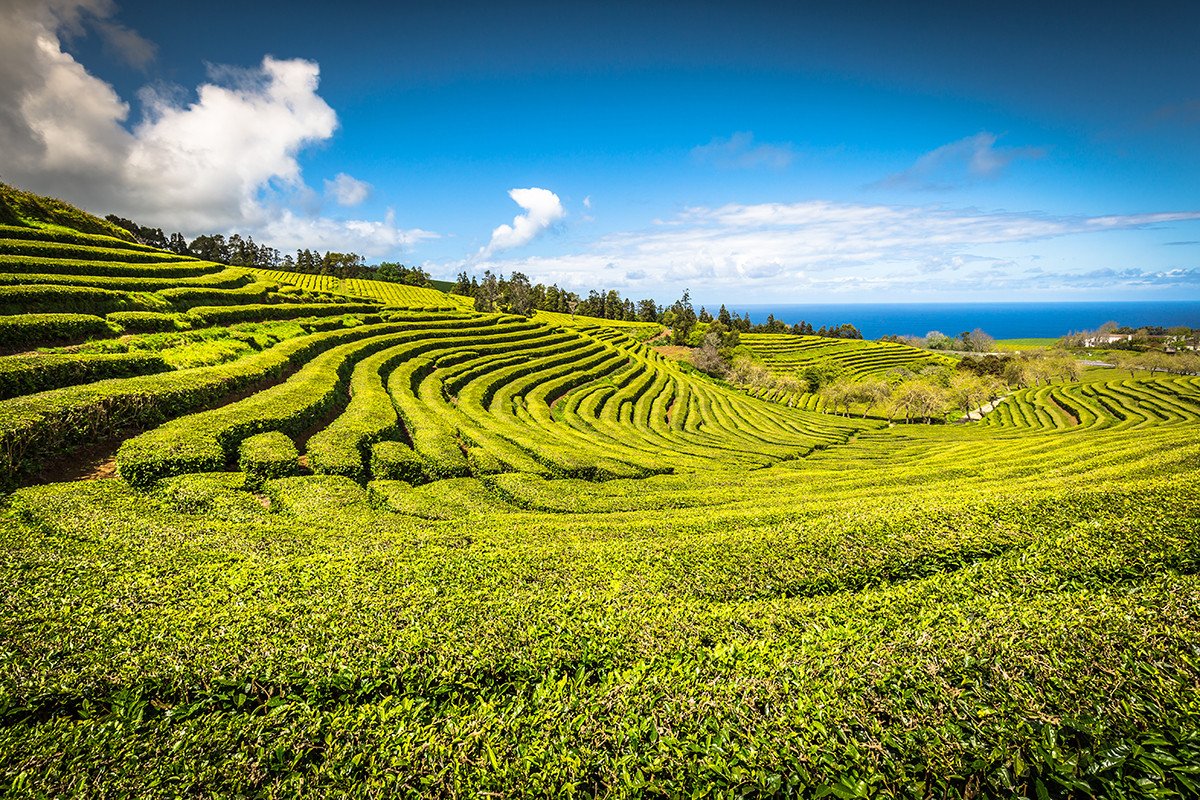
- Azorean Tea: São Miguel is home to Europe’s only commercial tea plantations, Chá Gorreana and Chá Porto Formoso. Established in the 19th century, these estates thrive in the island’s acidic volcanic soil and humid, mild climate—conditions perfect for growing Camellia sinensis. The result is a delicate, aromatic tea with zero bitterness, a direct reflection of its pristine environment.
- Pimenta da Terra: This vibrant, slightly salty red pepper paste is a cornerstone of Azorean cooking. Made from red bell peppers that are fermented and preserved, its flavor is both sweet and tangy with mild heat. It’s versatile in the kitchen—used as a marinade for meats, a base for stews, or simply spread on fresh bread with local cheese.
Sourcing from São Miguel means you’re not just buying a product; you’re partnering with a culture. The story of a fisherman using the same pole-and-line technique as his grandfather, or a farmer who hand-harvests peppers for pimenta da terra, becomes part of the dish you serve. That narrative elevates the dining experience, connecting your guests straight to the heart of the Azores.
Connecting with the Craftspeople
Understanding these artisans is the key to unlocking the full potential of São Miguel’s ingredients. Their commitment is the invisible element that defines Azorean quality. When you source from the island, you’re tapping into a network of people whose expertise and passion are baked into every product.
This connection gives you more than just superior ingredients; it gives you authenticity. It lets you build a menu that’s not just delicious but meaningful, rooted in the traditions of a place where food is culture. The craftspeople of São Miguel are the true soul of its pantry.
Bringing Azorean Flavors to Your Kitchen
Understanding the quality of São Miguel’s ingredients is one thing; getting them into your kitchen in the US is another. Sourcing internationally can feel like a huge hurdle, but a clean, modern supply chain cuts through all that noise. It closes the distance between the island’s artisan producers and your restaurant, making sure every product shows up with its story—and integrity—fully intact.
The journey starts the second an ingredient is harvested. For seafood, that means it’s processed and flash-frozen within hours of hitting the docks in Ponta Delgada. For produce or cheese, it’s about careful packaging that protects its distinct character. This first step is everything; it locks in the peak freshness that makes Azorean products so special.
Navigating Export and Compliance
Getting premium ingredients across international borders isn’t something you want to guess at. A solid logistics partner takes care of all the complex steps, from export paperwork in Portugal to customs clearance with the FDA and USDA in the States. This ensures a smooth, predictable supply.
A managed approach covers:
- Export Filings: All paperwork required by Portuguese and EU authorities is handled correctly.
- Customs Brokerage: US import declarations are managed so nothing gets stuck at the port.
- Regulatory Adherence: Every product meets strict US food safety and labeling standards.
This hands-on management means you don’t have to become an import expert. You can focus on your menu, knowing ingredients will arrive on schedule and fully compliant. The goal is to make sourcing from São Miguel feel as simple as ordering domestically. The logistical hurdles disappear, leaving you free to create.
Integrating São Miguel on Your Menu
This is where the real work begins: turning the story and terroir of São Miguel into dishes your guests won’t forget. Forget just following recipes. We’re talking about building flavor concepts that let these incredible ingredients do the talking.
Think about how texture and taste can tell a story. A slow-braised Azorean octopus, cooked until it yields to the fork and served with potatoes pulled from volcanic soil, does more than taste good. It connects the diner straight to the land and sea.
Building Core Flavor Pairings
Start with the classics. These pairings are rooted in tradition for a reason—they respect the inherent quality of each component:
- Seafood and Pimenta da Terra: Wild-caught wreckfish or Alfonsino pairs beautifully with the sweet, tangy heat of pimenta da terra. A simple pan-sear finished with a beurre blanc infused with the pepper paste creates a balanced, distinctly Azorean dish.
- Beef and Local Cheese: The island’s rich, grass-fed beef has natural affinity for the sharp, salty notes of aged cheese. A steak topped with local cheese delivers a powerful umami punch.
- Pineapple and Cured Meats: The low-acidity sweetness of the São Miguel pineapple cuts through rich cured sausages or smoked pork, creating a dynamic sweet-and-savory profile.
Weaving the Story into Your Menu
How you describe a dish is almost as important as how it tastes. The menu is your first chance to transport guests to the Azores. Use language that paints a picture, justifying the premium and sparking curiosity.
Instead of “Grilled Fish,” try:
“Pole-and-Line Caught Azorean Wreckfish with Pimenta da Terra Emulsion and Volcanic Potatoes.”
This adds authenticity, telegraphs sustainable sourcing, and introduces unique ingredients before the first bite is even taken. Your front-of-house team gains a powerful story to tell, turning a simple meal into a memorable journey.
Advanced Concepts and Menu Inspiration
Once you grasp core flavors, it’s time to push boundaries. São Miguel’s products are a playground for creativity:
- Octopus Terrine: Slow-cook the octopus, then press into a terrine with herbs and bell peppers. Serve chilled with Azorean olive oil and fleur de sel. Simple, elegant, pure flavor.
- Cheese-Infused Broth: Use the rind from an aged São Miguel cheese to create a rich, savory broth. A perfect base for seafood or vegetable soup.
- Pineapple and Tuna Crudo: Pair thin slices of sushi-grade tuna with diced Azorean pineapple, chili, and fresh mint. The pineapple’s sweetness balances the fish without overpowering it.
These dishes give guests an authentic taste of São Miguel’s vibrant culinary landscape.
Your Questions About Sourcing from São Miguel, Answered
Any time you explore a new sourcing region, practical questions arise. For chefs and buyers, getting the details right builds confidence.
What is the seasonality of key products?
Working with São Miguel means syncing your menu with natural rhythms. Mild climate keeps many products available year-round, but peak seasons deliver the best flavor:
- Bigeye Tuna: Late spring to early autumn.
- Dairy Products: Year-round; lush pastures ensure constant production.
- Azorean Pineapple: Grown in greenhouses, harvested continuously.
How are sustainability and traceability handled?
Local fisheries are committed to ethical practices, many certified for pole-and-line fishing. Every shipment comes with full documentation, giving traceability from farm or vessel to your kitchen. It’s a core part of the sourcing process, ensuring both quality and a compelling story.
Historical Resilience
The island’s producers have thrived for centuries. After settlement in the 15th century, a catastrophic 1522 earthquake destroyed the original capital. São Miguel adapted, rebuilt, and forged trade connections that underpin their enduring commitment to quality. Their resilience is reflected in every ingredient.
At WorldClass, we handle the complexities of international sourcing so you don’t have to. Deep partnerships in São Miguel and expertise in cold-chain logistics ensure ingredients arrive with quality and story intact. Explore our curated portfolio and bring authentic Azorean flavors to your menu.
.webp)


